essay
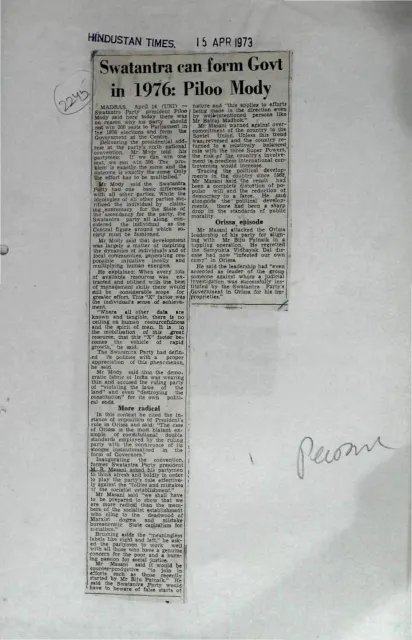
Tide in favour of Swatantra: Piloo
TIMES OF INDIA · Madras · 1973
1 pages
Summary
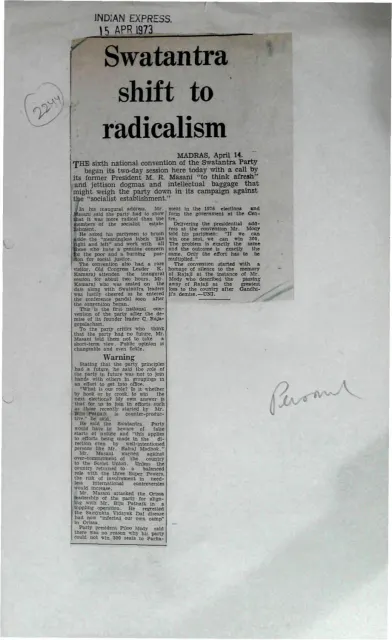
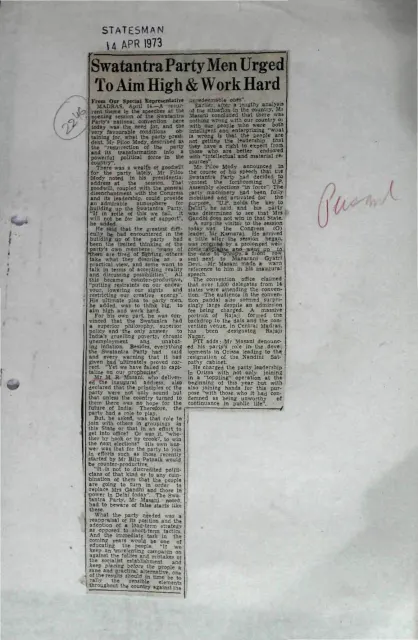
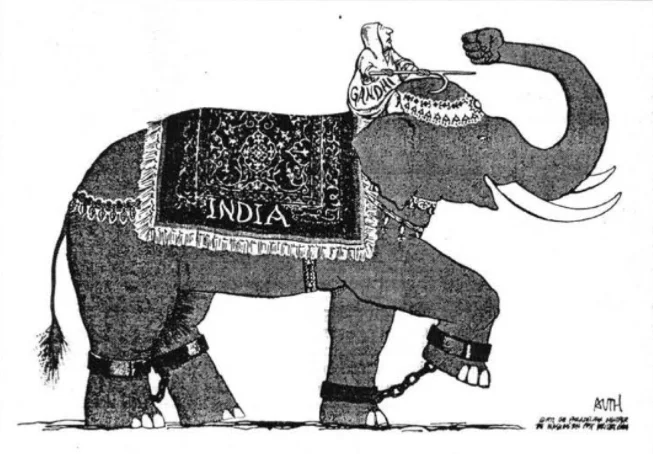
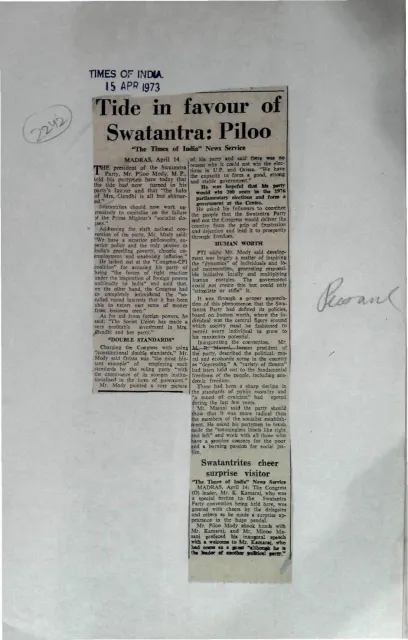
This Times of India News Service report, published from Madras on 15 April 1973, presents Piloo Mody’s argument that the Swatantra Party was gaining political momentum. Speaking at the party’s sixth national convention, Mody said the party’s prospects had improved because the policies of Prime Minister Indira Gandhi had produced economic and political disappointment. He accused the Congress of applying “constitutional double standards,” criticised what he described as socialist economic policies, and argued that the party could capitalise on public frustration and disillusionment.
The report also records Mody’s claim that Swatantra could win 300 seats in the 1976 parliamentary elections and form a government at the Centre. Its economic argument centres on development as a process driven by individual and local initiative rather than government direction. Minoo Masani, inaugurating the convention, similarly called for a more radical and socially engaged Swatantra Party, defending civil freedoms and warning about declining public morality. The page also briefly reports a separate convention episode in which Congress leader E. K. Kumaran was greeted by Swatantrites.
Key points
- Piloo Mody said the Swatantra Party’s political prospects had improved amid dissatisfaction with Indira Gandhi’s policies.
- Mody criticised the Congress for what he called “constitutional double standards” and for imitating socialist economic policies.
- He predicted that Swatantra could win 300 seats in the 1976 parliamentary elections and form a government at the Centre.
- The report presents Mody’s account of development as arising from individual and local initiative rather than being created directly by government.
- Minoo Masani described the country’s political and economic situation as depressing and defended fundamental freedoms, including academic freedom.
- Masani urged the party to become more radical and to work with people committed to social justice.
Metadata and summary are AI-extracted from the source PDF and reviewed for editorial accuracy. The original work is available via the Read PDF tab above (where present); paragraph-level citation inside the PDF is deferred to a future engagement.