Summary
D. R. Pendse reflects on his decades-long working relationship with J. R. D. Tata as the in-house economist of the Tata group. He describes a working pattern in which he would draft articles or notes on economic policy, send them to JRD for approval, and almost invariably receive enthusiastic agreement. Pendse emphasizes that JRD never obstructed his writing, speeches, or public commentary, trusting that whatever he produced would serve the interests of both the country and industry.
Pendse claims a direct line of influence between his published proposals and major Indian economic policy shifts — including the dismantling of the Monopolies Act, gold control, and industrial licensing reforms — though he carefully qualifies that JRD acted on these ideas not because Pendse proposed them, but because the two had long, symbiotic discussions and JRD was independently convinced of their merit. The piece is brief but offers a window into the trust-based intellectual partnership between a leading industrialist and his economic advisor.
Key points
- Pendse describes a working method of first drafting articles or notes on policy and sending them to JRD Tata for review before publication.
- JRD almost always responded with strong approval — 'first class, excellent, very good' — and agreed with Pendse's proposals.
- JRD never obstructed Pendse from writing, speaking, or commenting publicly on economic matters.
- Pendse felt JRD had complete faith in him, believing his work would serve both the country and industry.
- Pendse claims many adopted economic policies — including cancellation of the Monopolies Act, industrial licensing changes, and gold control — originated in his articles.
- He qualifies his influence as symbiotic, insisting JRD acted on policy ideas because he was independently convinced, not merely because Pendse proposed them.
- The relationship illustrates the trust-based partnership between a major industrialist and his in-house economist.
Transcript
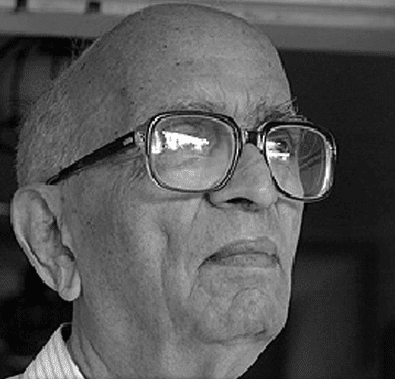
D R Pendse on his Relationship with JRD Tata
Source: https://www.youtube.com/watch?v=si8F_I4P8xY Duration: 124.7s
D. R. Pendse (00:09): When I made a proposal, I will always first write a note, send it to — I will write — publish the article or send a note to JRD. And JRD, he will always say first class, excellent, very good. And and I also said, do you agree? He said, yes. I seem to agree with everything what you say. Because that is a fact because I mean, I’m a huge economist. So if I have interest of Tata than private sector industry, I’m bound to say something which is the interest of industry. You could see that. He — and he often said that there are really nothing to say. I seem to agree with everything what you say. So he never never obstructed me from writing anything. Never. Never obstructed me from giving a speech. Never obstructed me to make a comment. Nothing. Never. Just left it to me because he was confident. He had complete faith that I will do something. Whatever I do will be in the interest of the country. It will be in the interest of industry. Because I was in — in my opinion, I was in his 18. He believed in me. And that is — and he decided why should he not believe in me? I’ve certainly done something which is good for the country in terms of economic policy. And all these economic policies which adopted, most of them are straight from articles. I I proposed this. Monopoly act canceled. I will propose. Industrial, send in gold control. This, that, that, all these things were — and that that he didn’t do it directly because I propose. He did it because I may propose. I may propose because they had long discussions with me, and they are symbiotic. I’m not saying that they did only because I — they must have been convinced about it.
Notable passages
"He had complete faith that I will do something. Whatever I do will be in the interest of the country. It will be in the interest of industry."
"Monopoly act canceled. I will propose. Industrial, send in gold control. This, that, that, all these things were — and that that he didn't do it directly because I propose. He did it because I may propose."
"He had complete faith that I will do something. Whatever I do will be in the interest of the country. It will be in the interest of industry."
"He did it because I may propose. I may propose because they had long discussions with me, and they are symbiotic. I'm not saying that they did only because I — they must have been convinced about it."
Metadata and summary are AI-extracted from the source PDF and reviewed for editorial accuracy. The original work is available via the Read PDF tab above (where present); paragraph-level citation inside the PDF is deferred to a future engagement.