
interview
Rukhmabai: An Unrelenting Force against Patriarchy
2021
Summary
This explainer recounts the life of Rukhmabai, born in Mumbai in 1864 and married at eleven, who defied convention by refusing to live with her husband Dadaji Bhikaji. Her refusal led to the Dadaji Bhikaji versus Rukhmabai case, in which her husband demanded restitution of conjugal rights; while it proceeded she lived in her maternal home and wrote extensively against infant marriage and forced widowhood. Told to choose between joining her husband or six months' imprisonment, she chose incarceration, and after her appeal to Queen Victoria the marriage was dissolved.
The piece frames her case as a catalyst for later reforms, citing the Age of Consent Act of 1891, which raised the age of consent from ten to twelve. It then follows her turn to women's healthcare: she earned a medical degree from the University of London and became the first practising female doctor in British India, remembered for her work in medicine and social justice.
Key points
- Rukhmabai was born in Mumbai on 22 November 1864 and was married at age eleven.
- She defied convention by refusing to live with her husband, Dadaji Bhikaji.
- Her refusal produced the landmark Dadaji Bhikaji versus Rukhmabai case over restitution of conjugal rights.
- During the case she lived in her maternal home and wrote articles against infant marriage and forced widowhood.
- Offered a choice between joining her husband or six months' imprisonment, she chose incarceration.
- After her appeal to Queen Victoria, the marriage with Bhikaji was dissolved.
- Her case is linked to the Age of Consent Act 1891, which raised the age of consent from ten to twelve years.
- She earned a medical degree from the University of London and became the first practising female doctor in British India.
Transcript
Rukhmabai: An Unrelenting Force against Patriarchy | Indian Liberals
Source: https://www.youtube.com/watch?v=2XcqWS_EEtQ Duration: 172.1s
Speaker 1 (00:00): Have you ever heard of Rukmabai and her fierce fight against the practice of child marriage? This is the story of how she sought to eradicate prevalent social evils in India
Speaker 2 (00:10): while laying down the foundations for India’s subsequent feminist movement. Rukmabai was born on the 22nd of November, 1864 in Mumbai, at a time when the Indian society was still at odds with the concept of women’s rights and liberty. Married at the tender age of 11, Rukmabai defied the norm by refusing to stay with her husband Bikaji. This marked the beginning of an era-defining case, the Dadaji Bikaji vs Rukmabai case. The case began with her husband’s demand for restitution of conjugal rights. While the case proceedings went on, she resided in her maternal home and wrote extensive articles on infant marriage and forced widowhood. Rukmabai fought relentlessly for her freedom from unfair practices associated with child marriage. When asked to choose between living with her husband or facing imprisonment for six months, Rukmabai boldly chose incarceration. At last, after Rukmabai’s appeal to Queen Victoria, the final verdict was declared in her favor and her marriage with Bikaji was dissolved. Rukmabai’s landmark victory initiated a series of inspiring actions taken to safeguard the autonomy of Indian women. One such example is the Age of Consent Act 1891, which raised the age of consent for sexual intercourse for all girls from 10 to 12 years. After breaking from the shackles of her oppressive marriage, Rukmabai devoted her life to improving the perilous state of women’s healthcare in India. She pursued a degree in medicine from University of London and became the first practicing female doctor in British India. Rukmabai is still remembered for her thunderous voice questioning the norm and for her awe-inspiring work in areas of medicine and social justice.
Speaker (02:22): Thank you.
Metadata and summary are AI-extracted from the source PDF and reviewed for editorial accuracy. The original work is available via the Read PDF tab above (where present); paragraph-level citation inside the PDF is deferred to a future engagement.
People in this work
Related across the archive
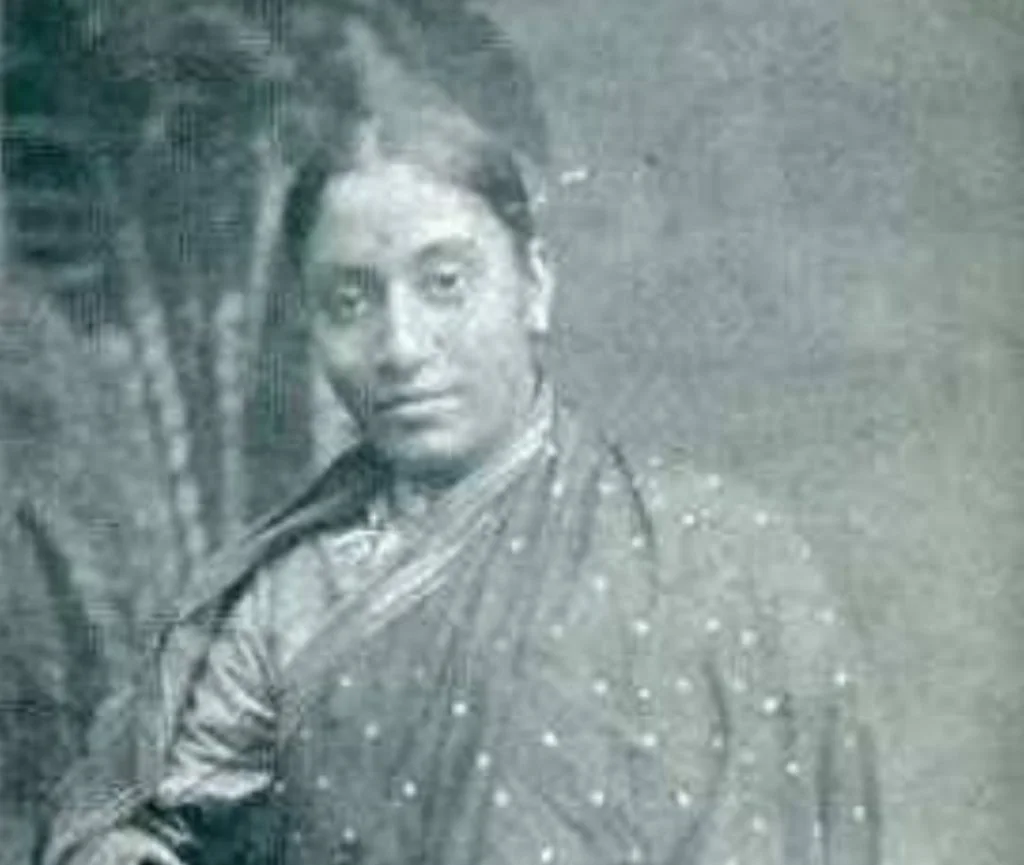 OpinionRukhmabai - An Unrelenting Force Against Patriarchal Norms
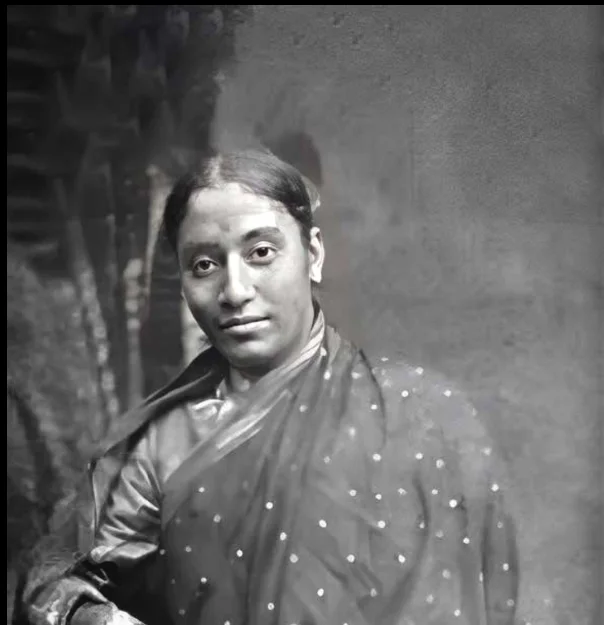 ExcerptRukhmabai Raut: A Beacon of Courage and Change in British India
- Primary workIqbalunnisa Hussain: A Stalwart of Muslim Women's Education
- Primary workThe Unwavering Feminism of Tarabai Shinde
 OpinionKanuparti Varalakshmamma: A Feminist Writer And Social Activist