periodical issue
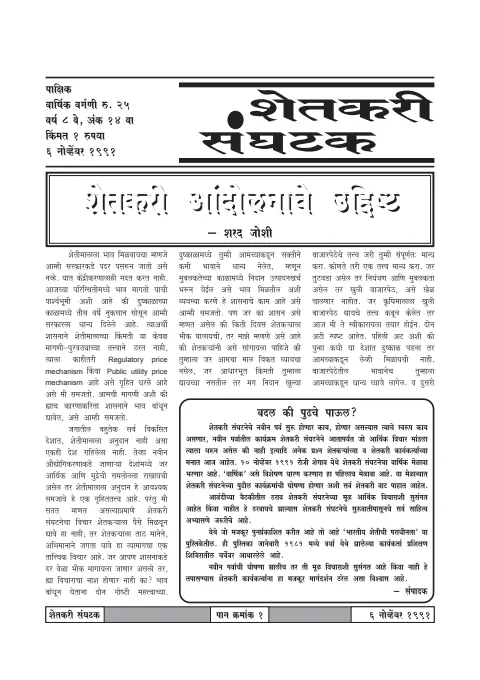
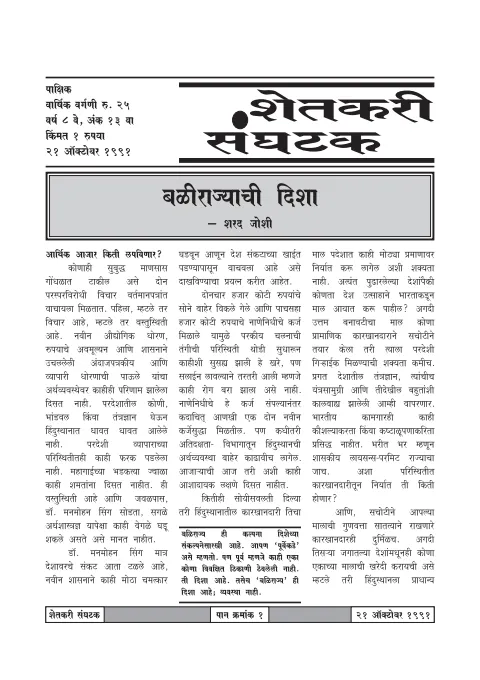
Shetkari Sanghatak
शेतकरी संघटक
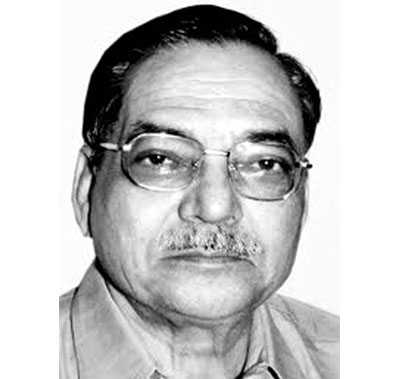
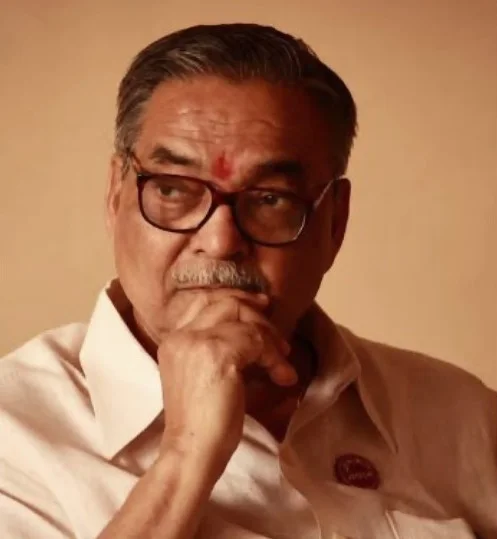
By sharad-joshi, संपादक
शेतकरी संघटक — पाक्षिक. मालक: मोहन विद्यानिवृत्त नरेशी. संपादक, मुद्रक, प्रकाशक: सुरेशचंद्र म्हात्रे. मुद्रण स्थळ: चाकण प्रिंटिंग प्रेस, चाकण. प्रकाशन स्थळ: ११४०/६६ विश्वासनगर, पुणे ४११ ००५. SHETKARI SANGHATAK (Marathi Fortnightly) Regd. No. 39926/83. Posted at Market Yard, PSO, Pune 37. On 6th June, 1992. PNCW 281. Licence to post without prepayment No. 87. · Pune · 1992
8 pages
Shetkari Sanghatak
Summary
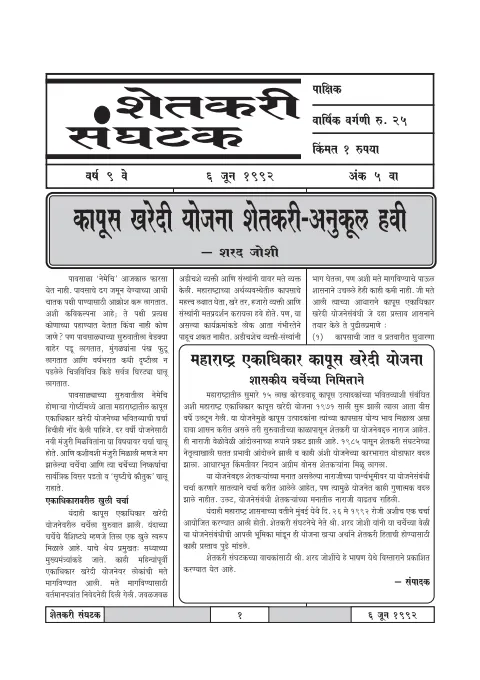
This eight-page Marathi fortnightly issue of Shetkari Sanghatak (Vol. 9, No. 5, dated 6 June 1992) is given over almost entirely to a long policy speech by Sharad Joshi on Maharashtra’s Cotton Monopoly Procurement Scheme (“Maharashtra Ekadhikar Kapus Kharedi Yojana”), which the state government had convened a fresh round of discussions about. Joshi traces the scheme’s history from its 1971 launch as a socialist intervention meant to protect cotton growers from private trader exploitation, and argues that twenty years on it has become the opposite of its founding promise: a low-price guarantee scheme that effectively subsidises the textile-mill lobby with cheap raw cotton at the cultivator’s expense. Comparing Maharashtra prices over many seasons with those obtained by the Gujarat cooperative system and by the open market, he marshals year-by-year tables showing Maharashtra growers consistently received lower final prices, smaller weighted averages, and a markedly smaller share of the rui (lint) realisation than Gujarat’s cooperative growers.
Joshi’s argument is two-pronged. First, the monopoly purchase must end because its administrative costs (he gives figures of roughly Rs. 30–80 per quintal in scheme overheads), its quality grading, and its delayed payments have all hurt rather than helped the farmer. Second, if the government will not dismantle the scheme it must at least reform it along farmer-friendly lines: deregulate the floor and price-supplement mechanisms, allow open-market trade alongside the monopoly, end the practice of treating the scheme as a free warehouse for mill owners, and pay growers promptly and fully. He frames the political stakes by warning, in a separate boxed editorial titled “Is the government inviting agitation?”, that another season of bad procurement will reopen the cycle of farmer protest that Shetkari Sanghatana led in the 1980s.
The back page carries a parallel item from the Shetkari Mahila Aghadi (the Sanghatana’s women’s wing) titled “What did Lakshmimukti give me?” — a continuation of the organisation’s Lakshmimukti campaign for transferring agricultural land titles into women’s names, with a personal-testimony framing aimed at the next phase of the campaign. The same page records a book-release event at Boregaon (Parbhani district) where the Shetkari Mahila Aghadi released a volume of farm-women’s poems, and prints the editorial colophon (publisher Mohan V. Varade, editor Sureshchandra Mhatre, registered office at Ambethan in Khed taluka, Pune district).
Key points
-
The issue is dominated by a long Sharad Joshi speech arguing that Maharashtra’s Cotton Monopoly Procurement Scheme must either be wound up or fundamentally re-engineered to be farmer-friendly.
-
Joshi reads the 1971-vintage monopoly as a socialist measure that has decayed into a de facto subsidy for textile mills, paying growers below open-market and Gujarat-cooperative rates.
-
Tables compare Maharashtra monopoly prices with Gujarat cooperative prices and open-market rates across many seasons, showing Maharashtra growers consistently received less and got a smaller share of the rui (lint) realisation.
-
He puts administrative overhead at roughly Rs. 30–80 per quintal and argues this cost makes the scheme structurally hostile to the cultivator.
-
Reform demands include opening parallel free-market sales, ending arbitrary grading, paying farmers promptly, and using price-supplement funds (“kimat chadhautar nidhi”) in the grower’s interest rather than the mill’s.
-
A boxed editorial warns that continued mismanagement of procurement will provoke renewed farmer agitation in the cotton belt of Vidarbha, Marathwada and beyond.
-
A back-page Shetkari Mahila Aghadi piece, “Lakshmimukti ne mala kay dile?”, builds on the organisation’s campaign to transfer farmland titles into women’s names, framing it through women’s testimony.
-
Closing notices report a farm-women’s poetry collection released at Boregaon (Parbhani) and give the Shetkari Sanghatana’s relocated central office address at Ambethan, Khed.
Generated by the v1.5 extraction pipeline. Awaiting editorial review.
Metadata and summary are AI-extracted from the source PDF and reviewed for editorial accuracy. The original work is available via the Read PDF tab above (where present); paragraph-level citation inside the PDF is deferred to a future engagement.