book
The High-Caste Hindu Woman
Reprint (originally published 1887, Philadelphia) · 1887
90 pages
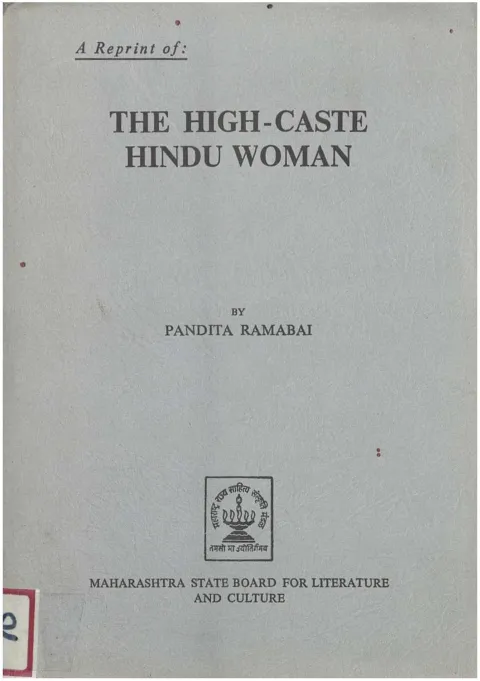
The High-Caste Hindu Woman
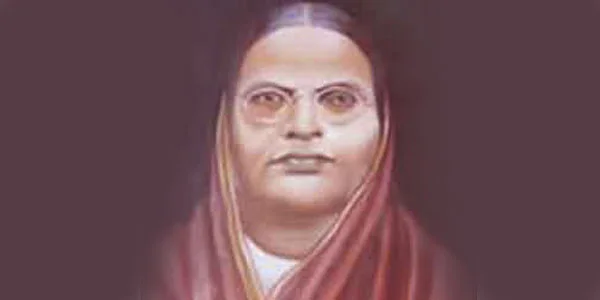
By Pandita Ramabai
Summary
The High-Caste Hindu Woman is Pandita Ramabai Sarasvati’s pioneering English-language book, first published in 1887 in Philadelphia while she was in the United States. Written by one of nineteenth-century India’s most remarkable women scholars and reformers, it is an unsparing indictment of the condition of women in orthodox high-caste Hindu society — and one of the earliest sustained arguments for their emancipation made by an Indian woman to an international audience.
Drawing on Ramabai’s own learning in Sanskrit scripture and on her lived observation, the book documents the successive stages of a high-caste woman’s life — girlhood, child marriage, wifehood, and above all the enforced, degraded condition of the child-widow — and argues that these customs rest on social and priestly authority rather than on any defensible moral foundation. It was written in part to raise support for the education and rescue of Hindu widows, work Ramabai went on to institutionalise through her Sharada Sadan.
Within the archive the book stands as a foundational liberal-reformist text: a case for the dignity, education, and individual rights of the person against the weight of inherited custom.
NOTE: this record is based on a scanned reprint without a usable text layer; the summary reflects the documented content and significance of the work and awaits editorial review.
Key points
- Pandita Ramabai’s landmark book, first published 1887 in Philadelphia during her time in the United States.
- One of the earliest sustained arguments for the emancipation of Indian women made by an Indian woman to an international readership.
- Documents child marriage, wifehood, and especially the degraded, enforced condition of the high-caste child-widow.
- Argues these customs rest on social and priestly authority, not on any defensible moral foundation.
- Written partly to raise support for the education and rescue of Hindu widows (later Ramabai’s Sharada Sadan).
- A foundational liberal-reformist text on the dignity, education, and individual rights of women against inherited custom.
Ingested 2026-07-21 from the CCS source archive. AI-drafted summary awaiting editorial review (image-only scan).
Metadata and summary are AI-extracted from the source PDF and reviewed for editorial accuracy. The original work is available via the Read PDF tab above (where present); paragraph-level citation inside the PDF is deferred to a future engagement.