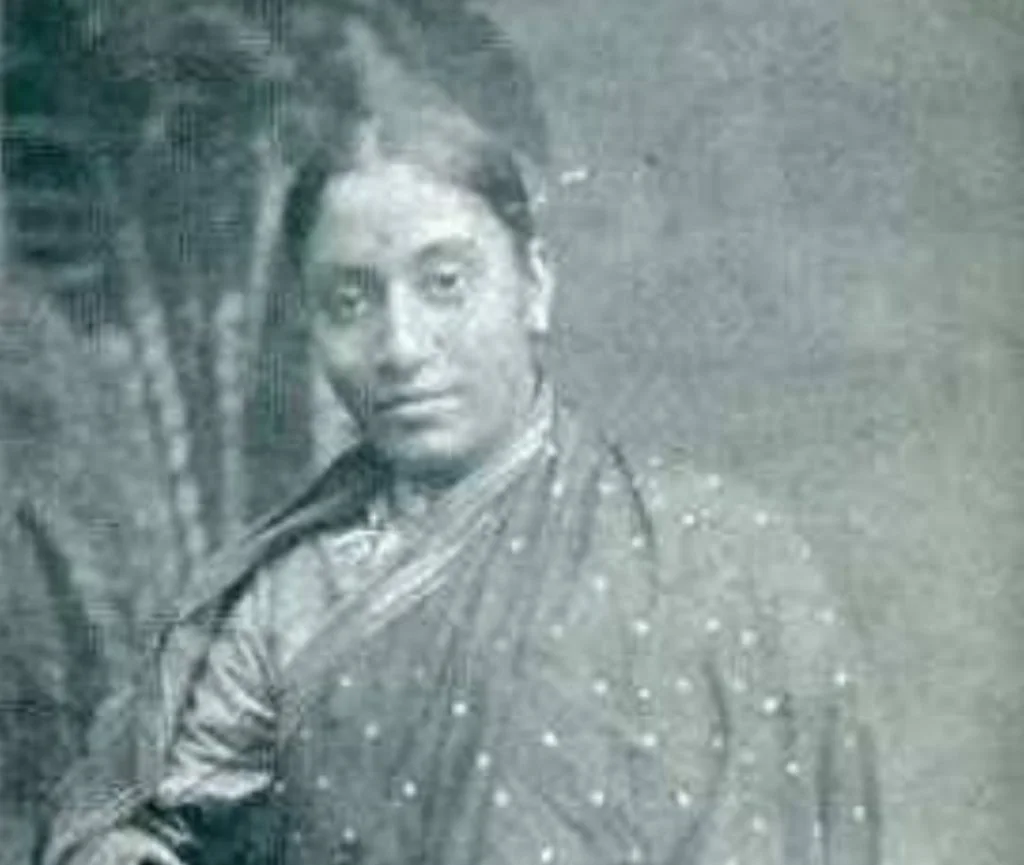
pamphlet
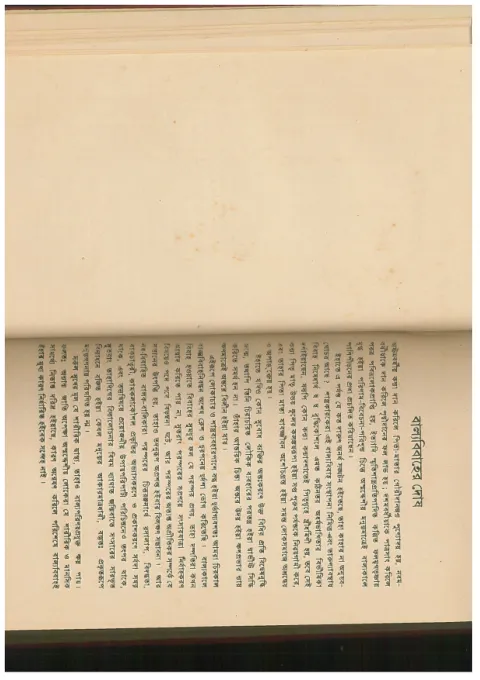
বাল্য বিবাহের দোষ
Balya Bibaher Dosh
Sarva Subhakari · Calcutta · 1850
16 pages
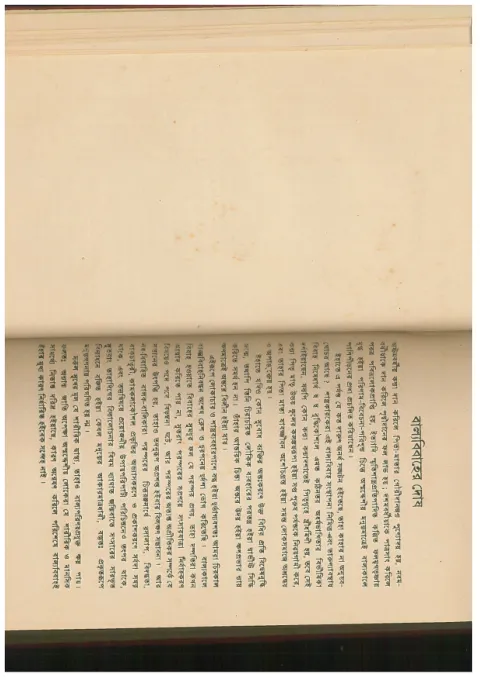
বাল্যবিবাহের দোষ
Summary
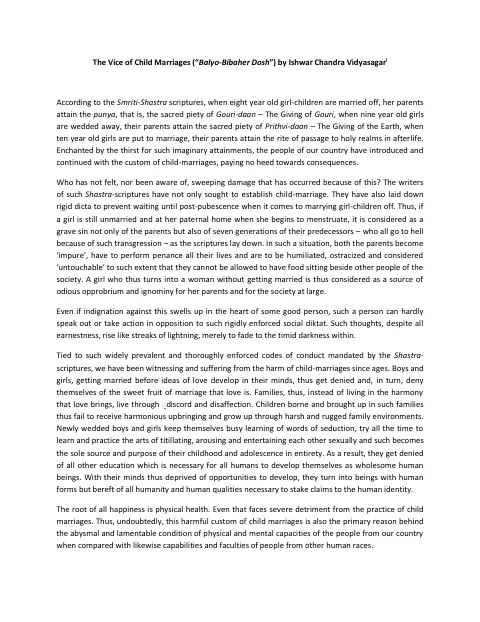
The Bengali original. Vidyasagar’s first published work, which appeared in 1850 in the Calcutta Bengali monthly Sarva Subhakari and opened the campaign against child marriage he pursued for the rest of his life. He begins with the scriptural arithmetic he means to demolish: the Smriti texts hold that marrying off an eight-year-old earns her parents the merit of Gouri-daan, a nine-year-old that of Prithvi-daan, a ten-year-old a passage to the holy realms after death. Enchanted by these “imaginary attainments”, he writes, the country took up the custom and stopped asking what it cost. He then names the pressure that makes refusal impossible: a girl who begins to menstruate unmarried in her father’s house is held to damn seven generations of her ancestors, and her parents are made impure, ostracised, forbidden to eat beside others. Anyone whose conscience revolts against this finds the thought rising “like streaks of lightning, merely to fade to the timid darkness within”.
The case is built on several fronts. Marriage before either party can feel love produces households of discord, and children raised inside them; neither bride nor groom is allowed to meet, speak to or even look at the other before parents and the GhaTak settle the match. Boys and girls married as children spend the years meant for education learning to arouse and entertain each other, and emerge with the form of human beings but little of what makes one. Physicians hold that children conceived by parents who are not yet physically mature die in infancy or grow up infirm, so the custom defeats the reproductive purpose marriage exists to serve. Vidyasagar also argues, in terms that read uncomfortably now, that the feebleness he ascribes to Bengalis and Odias follows from the practice, contrasting them with the western regions of the subcontinent where marriage waits for maturity and men still enter the royal armies; India was once called Veer Prasavini, the begetter of heroes. He notes that the shastras describe eight forms of marriage, and that the prevalent ones, along with swayamvara where the bride chose, all presumed adults.
Two arguments carry the most weight. On women’s education: a mother is a child’s first and most persuasive teacher, European children are taught early because European women are educated, and in Bengal a girl’s schooling stops at her wedding, after which she learns pots and ladles instead. Reformers who want women educated must therefore attack child marriage first, because the two cannot coexist. On widowhood: mortality is highest between birth and twenty, so child marriage manufactures child widows, and he describes what he has watched, girls half dead with thirst on nights of prescribed fasting, tongues dried, nobody willing to break custom far enough to offer water or medicine. He answers the standard defence, that abolition would loose the young into licentiousness, by arguing that an education which builds moral character makes the fear groundless. He closes by calling the piece an introduction, with the evidence still to come.
Key points
-
Written in 1850 for the Calcutta Bengali monthly Sarva Subhakari, this is the first of the many articles and monographs Vidyasagar published across his life as a social reformer.
-
He opens on the Smriti doctrine that marrying off a girl at eight, nine or ten earns her parents the merits of Gouri-daan, Prithvi-daan and a passage to the holy realms, and dismisses these as “imaginary attainments” pursued with no regard to consequences.
-
The custom is enforced from the other side too: a girl who menstruates unmarried at her father’s house is held to send seven generations of ancestors to hell, while her parents become impure, are ostracised and may not eat beside others.
-
Marriage contracted before either party can feel love produces households of discord, and the couple get no say in it, forbidden to meet, converse with or even look at one another before parents and the GhaTak fix the match.
-
Children married as children spend the years meant for schooling learning to arouse and entertain one another, and so forfeit the education that would make them whole human beings.
-
Physicians hold that children conceived before their parents are physically mature die in infancy or grow up infirm, so the custom defeats the very purpose marriage exists to serve.
-
Vidyasagar attributes the feebleness he ascribes to Bengalis and Odias to the practice, contrasting them with western regions of the subcontinent where marriage waits for maturity and men still serve in the royal armies; India, he notes, was once called Veer Prasavini, the begetter of heroes.
-
Women’s education is impossible while the custom stands: a mother is a child’s earliest and most persuasive teacher, but a Bengali girl’s schooling ends at her wedding, so reformers who want educated women must abolish child marriage first.
-
Because mortality is highest between birth and twenty, child marriage manufactures child widows, condemned to fasts he has watched leave girls half dead with thirst while nobody dares offer water or medicine; the same isolation, he adds, invites secret relationships and the risk of feticide.
-
He answers the defence that abolition would encourage licentiousness by arguing that an education teaching right from wrong forestalls it, and ends by calling the essay an introduction, with the fuller case still to be made.
Metadata and summary are AI-extracted from the source PDF and reviewed for editorial accuracy. The original work is available via the Read PDF tab above (where present); paragraph-level citation inside the PDF is deferred to a future engagement.