occasional paper
Bungalows for All
A Critical Assessment of India's Human Habitat
Liberty Institute, New Delhi. · New Delhi
10 pages
Bungalows for All
By Sauvik Chakraverti
Summary
Bungalows for All is a Liberty Institute Occasional Paper by the Indian classical-liberal writer Sauvik Chakraverti, arguing that India suffers not from a shortage of land but from a shortage of urban land — an artificial scarcity manufactured by the socialist state’s default ownership of the country’s vast “unowned” territory. Invoking Milton Friedman’s quip that giving the Sahara Desert to a government would produce a shortage of sand, Chakraverti contends that the deification of collective property, especially land, is why Indians lack a decent habitat. He points to the slums that ring every Indian metropolis — over 900 clusters in New Delhi alone — and insists their squalor stems not from poverty (most dwellers own televisions and mobile phones) but from the absence of legal property titles: without titles there can be no legal sewage lines, no postal address, and no way to leverage a home in the capital market, leaving the poor trapped in what he calls the “mystery of capital.”
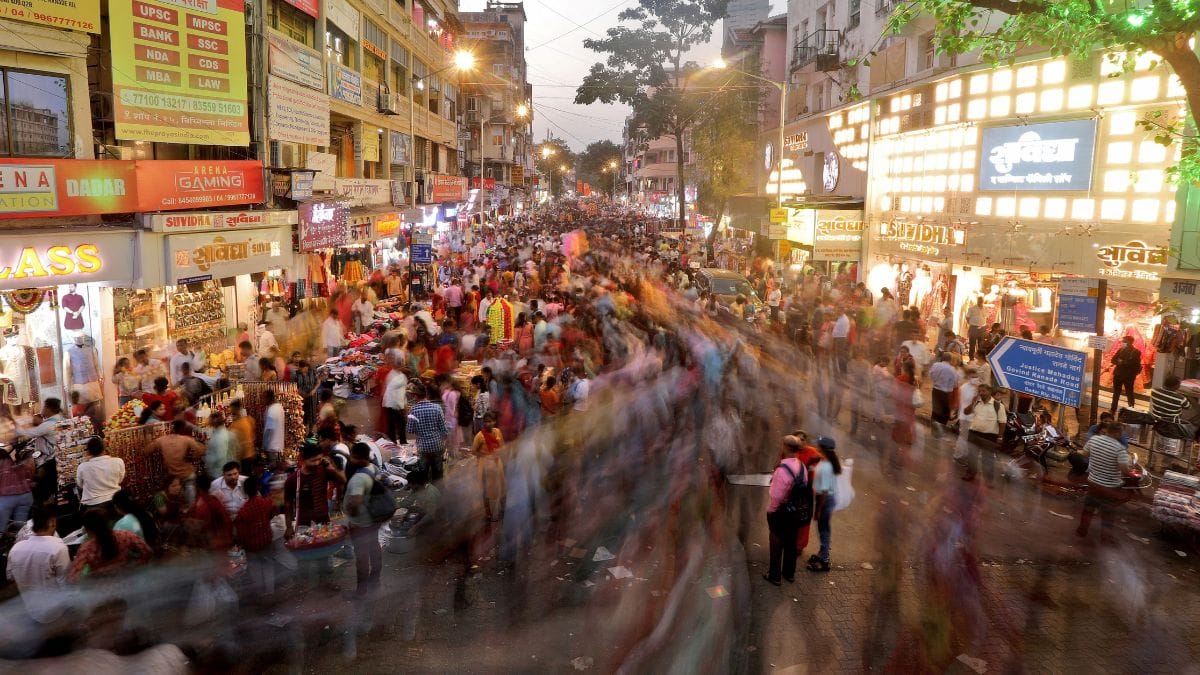
Drawing on the “laws of catallactics” and Adam Smith’s dictum that the division of labour is limited by the size of the market, Chakraverti reframes rural-to-urban migration as villagers rationally “voting with their feet” toward the specialised niches that only cities can sustain. Sixty-two years of socialist government, he argues, have poured the commonwealth into a bottomless pit of “rural development” while neglecting cities, so that India — with over a billion people — has just five metropolises holding some 60 per cent of its urban population, against more than 200 cities in the United States. The core of his case is a transport argument: ministers occupy acre-lawned Lutyens bungalows while vacant land stretches to the horizon around satellite towns like Gurgaon. Just as London’s suburbs were opened up by the Underground, extending transport links to a city’s surrounds would multiply the effective supply of urban land, driving prices down until an ordinary citizen could afford a row house with a garden. Instead India has an Urban Land Ceiling Act and monopolist agencies like the Delhi Development Authority controlling both land and roads — a “dual monopoly” that, echoing Peter Bauer, makes overcrowding a consequence of the mispricing of housing and transport rather than of population or genuine land scarcity.
Chakraverti extends the argument through his adopted home of Goa, where urbanization has concentrated on the coast while the vacant hill tracts remain “unreal estate” for want of roads, and notes that every Special Economic Zone the government has sanctioned — under 400 square kilometres in all — could be accommodated in the unowned land of south Goa alone. Free trade, he predicts, would spark a “California Gold Rush” of new coastal cities and depopulate land-locked Delhi and Bangalore. He ties urban commercial culture to social harmony — the Konkan’s Hindus, Christians and Muslims coexisting through trade rather than police — and dismisses opponents of globalization and champions of the Gandhian village as “atavistic,” a retreat from civilisation (from the Latin civitas, “city”). His prescription rests on liberty and the rule of law: homesteading, the principle that “possession indicates property,” and self-governing cities on the “London model” of mayorship, gated communities and company towns rather than panchayati raj. Deliver the “3 Ts of Prosperity” — Trade, Towns and Transportation — and, he concludes, every Indian, even today’s slum dweller, could have a bungalow to call his own.
Key points
-
A Liberty Institute Occasional Paper by the Indian classical-liberal writer Sauvik Chakraverti, arguing India has no shortage of land — only an artificial shortage of urban land.
-
Blames the socialist state’s default ownership of “unowned” land, citing Milton Friedman: give the Sahara Desert to a government and there will be a shortage of sand in five years.
-
Argues slums reflect the absence of legal property titles, not poverty — no titles means no legal sewage lines, no postal address, and no way to leverage a home as capital (the “mystery of capital”).
-
Treats rural-to-urban migration as people “voting with their feet” toward the division of labour that only cities sustain (Adam Smith); 62 years of “rural development” spending left India with just 5 metros holding ~60% of its urban population.
-
Central claim: extending transport links — as London’s Underground opened its suburbs — multiplies the supply of urban land and makes affordable housing possible; India’s Urban Land Ceiling Act and the DDA’s “dual monopoly” over land and roads do the opposite.
-
Invokes Peter Bauer: urban overcrowding is a consequence of the mispricing of housing and transport, not of population size or genuine land scarcity.
-
Uses Goa to show vacant hill tracts are “unreal estate” for want of roads, and that all sanctioned SEZs (under 400 sq km) could fit in the unowned land of south Goa; free trade would spark a coastal “California Gold Rush” and depopulate land-locked Delhi and Bangalore.
-
Prescribes liberty, the rule of law, homesteading, and the principle that “possession indicates property,” with self-governing cities on the “London model” (mayors, gated communities, company towns) — the “3 Ts of Prosperity”: Trade, Towns and Transportation.
Ingested 2026-07-21 from the CCS source archive. AI-drafted summary awaiting editorial review.
Metadata and summary are AI-extracted from the source PDF and reviewed for editorial accuracy. The original work is available via the Read PDF tab above (where present); paragraph-level citation inside the PDF is deferred to a future engagement.