
speech · memorial lecture
The Role of Judiciary in Parliamentary Democracy
By M. C. Chagla
FORUM OF FREE ENTERPRISE, SOHRAB HOUSE, 235 DR. D. N. ROAD, BOMBAY-1 · Bombay · 1974
26 pages
No. 9 in A. D. Shroff Memorial Lecture
The Role of Judiciary in Parliamentary Democracy
By M. C. Chagla
Summary
This Forum of Free Enterprise booklet reproduces the ninth A. D. Shroff Memorial Lecture, delivered in Bombay on 28 October 1974 by the eminent jurist M. C. Chagla — former Chief Justice of Bombay, Ambassador to the United States, and Union Education Minister. Chagla argues that the role of the judiciary in India’s parliamentary democracy is uniquely powerful. Unlike England, where Parliament is supreme and the courts merely interpret the law, India’s written Constitution is supreme, and the judiciary is empowered not only to interpret laws but to test their constitutionality and strike them down. The Supreme Court is the ultimate arbiter of the validity of legislation, a power the founding fathers deliberately preferred on the American model.
The rendered pages develop a defence of fundamental rights and an independent, impartial bench. Chagla invokes the American First Amendment and Justices Black and Jackson to argue that maximum personal freedom is the touchstone of a mature society, and that the courts restore rather than disrupt democratic processes when they intervene to protect the channels of opinion. He insists that a judge must shed all personal ideology — communism, socialism, communal allegiance — once on the bench, taking the Constitution as his only scripture, and that the courts are an authority coordinate with the legislature and the executive, not a department of government.
The later rendered pages turn pointedly to threats against judicial independence, including the supersession of judges, which Chagla treats as an attempt by a government-controlled Parliament to subordinate the bench, and which he says the Bar resisted in its ‘finest hour’. He examines structural safeguards and irritants — the constitutionally fixed salary of High Court judges, post-retirement tribunal appointments that compromise judges’ independence, and the right to practise — closing the rendered portion on how government patronage over tribunals corrupts the fair name of the judiciary.
Key points
-
Reproduces the ninth A. D. Shroff Memorial Lecture, delivered by M. C. Chagla in Bombay on 28 October 1974, published as a Forum of Free Enterprise pamphlet.
-
Chagla contrasts British parliamentary supremacy with India’s constitutional supremacy, under which the judiciary can strike down unconstitutional laws.
-
The Supreme Court is the ultimate arbiter of the validity of legislation; Chagla rejects the view that judicial review makes it a third legislative chamber.
-
The founding fathers preferred the American model of judicial power over the British one.
-
Drawing on the US First Amendment and Justices Black and Jackson, Chagla holds maximum personal freedom to be the touchstone of a mature society.
-
A judge must abandon all personal ideology on taking the bench and revere the Constitution as his only scripture; the courts are coordinate with, not subordinate to, Parliament.
-
Chagla condemns the supersession of judges and praises the Bar’s resistance as its ‘finest hour’.
-
He analyses safeguards and irritants to judicial independence: fixed High Court salaries, the right to practise, and post-retirement tribunal appointments that breed government patronage.
Generated by the v1.5 extraction pipeline. Awaiting editorial review.
Metadata and summary are AI-extracted from the source PDF and reviewed for editorial accuracy. The original work is available via the Read PDF tab above (where present); paragraph-level citation inside the PDF is deferred to a future engagement.
People in this work
Related across the archive
 Primary workThe Role of the Judiciary in Parliamentary Democracy
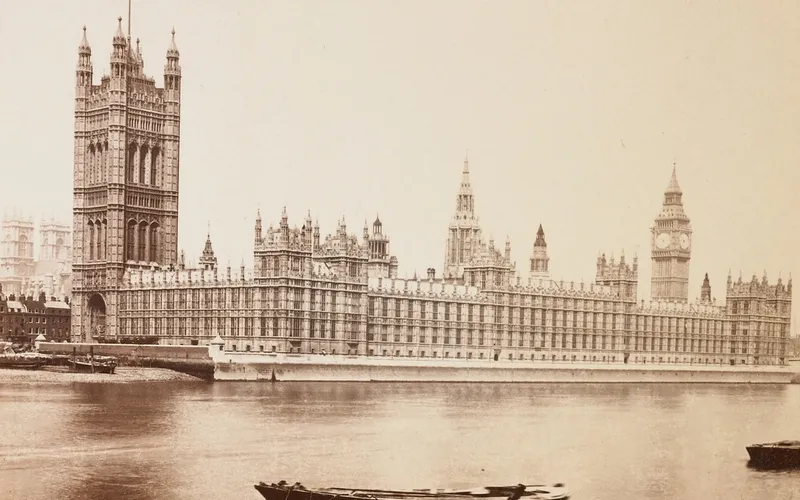 ExcerptThe Role of Judiciary in Parliamentary Democracy by Justice M.C. Chagla
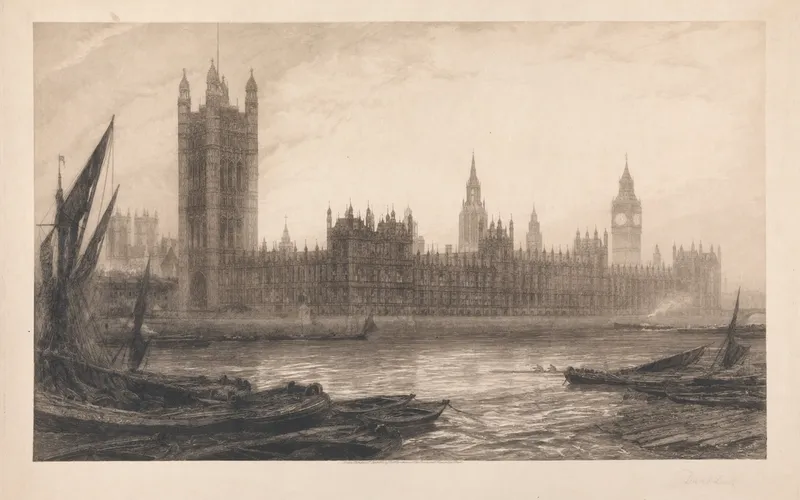 ExcerptThe Role of Judiciary in Parliamentary Democracy
 Primary workThe Indian Constitution and Judiciary
 Primary workTHE FUNDAMENTAL RIGHTS UNDER THE CONSTITUTION AND THE SUPREME COURT