
pamphlet · collected works
Wanchoo Committee Report On Black Money
By HP Ranina
FORUM OF FREE ENTERPRISE SOHRAB HOUSE, 235 DR. D. N. ROAD, BOMBAY-1 · Bombay · 1972
23 pages
Wanchoo Committee Report On Black Money
By HP Ranina
Summary
H. P. Ranina’s pamphlet — reprinted by the Forum of Free Enterprise from a 1972 Financial Express series — endorses the Wanchoo Committee’s diagnosis that India’s black money problem is rooted in confiscatory tax rates and a suffocating apparatus of controls, licences and permits, rather than in any irreducible moral failing of the citizenry. Ranina praises the Committee for naming high direct-tax rates, an economy of shortages, the licence-permit system, the ban on company donations to political parties, sales-tax levels and weak enforcement as the engines of evasion, and for prescribing across-the-board rate reduction and liberalisation of controls as the only durable cure.
Ranina works through the Committee’s main proposals one by one. He argues that a marginal rate of 97.75% makes tax evasion forty-three times more profitable than honest earning, that the 81% rise in the wholesale price index between 1961-62 and 1971-72 demands a higher exemption limit than the Rs. 5,000 the Committee left unchanged, and that the licence-permit raj has made black money ‘indispensable to business men’ — both through import-licence premiums and through the pugree system bred by Rent Control. He welcomes the Committee’s calls for compulsory maintenance and audit of accounts above defined income and turnover thresholds, permanent account numbers, expanded survey operations, tighter penalty and prosecution provisions, and statutory acquisition powers against under-stated immovable-property sales, while flagging operational worries — auditor liability, two-set bookkeeping, the wide scope of audit, and the futility of further criminalising blank share transfers.
The pamphlet also takes the Committee to task on three counts: it has not raised the Rs. 5,000 exemption to track inflation; it has not lifted the ban on corporate political donations, which has merely driven such funds underground; and it leaves rent control over residential premises intact, perpetuating the pugree economy. Ranina invokes the French precedent — full tax exemption on income from newly built houses for five years — to argue that the housing shortage feeding black money in immovable property can only be solved by tax incentives to builders, not by criminalisation. The throughline is a classical-liberal one: shrinking the discretionary state, lowering rates and freeing markets will starve the black economy more effectively than any enforcement crackdown.
Key points
-
Endorses Wanchoo Committee’s central thesis that black money is caused chiefly by confiscatory tax rates, the licence-permit system, rent control and weak enforcement — not by inherent dishonesty.
-
Highlights the 97.75% marginal rate and the resulting 4,300% post-tax ‘profit on concealment’ to argue that rate reduction at all levels of income is the Committee’s single most important recommendation.
-
Criticises the Committee for leaving the Rs. 5,000 exemption limit untouched despite an 81% rise in the wholesale price index between 1961-62 and 1971-72, and endorses Bhoothalingam’s higher Rs. 7,500 figure.
-
Argues that liberalising controls would dent both legal evasion (via better goods, more competition, lower prices) and illegal transactions (smuggling, black-marketing) by undercutting the premium on import licences and permits.
-
Faults the Committee for not recommending repeal of the ban on company political donations (Section 293-A, Companies Act 1956), which has only driven contributions underground.
-
Welcomes compulsory maintenance and compulsory audit of accounts above defined income/turnover thresholds, but warns that the wide scope of such audits exposes chartered accountants to onerous liability.
-
Backs permanent account numbers, expanded survey operations, statutory acquisition of under-valued immovable property, and the Committee’s refusal (except P. C. Padhi) to reintroduce expenditure tax.
-
Diagnoses the pugree system as a child of Rent Control and points to the French five-year tax holiday for new construction as the model for fighting black money in housing.
Generated by the v1.5 extraction pipeline. Awaiting editorial review.
Metadata and summary are AI-extracted from the source PDF and reviewed for editorial accuracy. The original work is available via the Read PDF tab above (where present); paragraph-level citation inside the PDF is deferred to a future engagement.
People in this work
Related across the archive
 Primary workThe Taxation Laws (Amendment) Bill, 1973
 Primary workRISING PRICES, BLACK MONEY AND DEMONETISATION
 Primary workUnion Budget 1995-96: Cementing the Reform Process
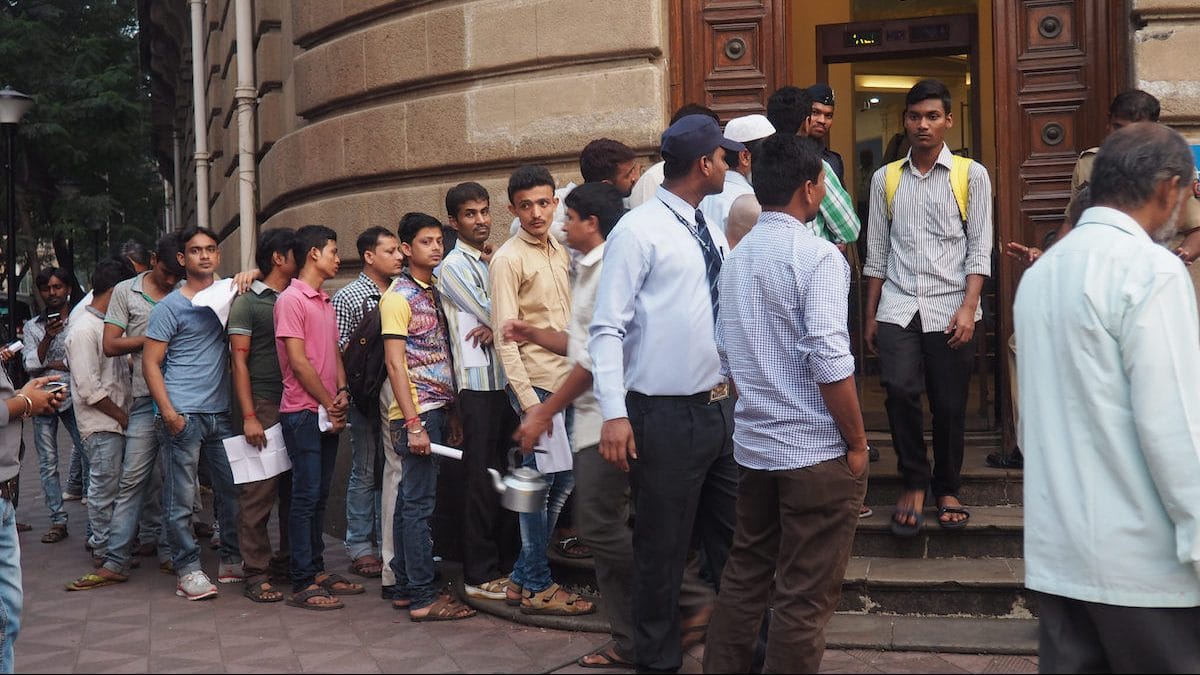 ThePrintDemonetisation is a wild hit at the bull’s eye. It will not hurt the guilty: BP Adarkar
 ExcerptJamshed Antia's Views On Sales Tax