
speech
Will Democratic Socialism Help India?
By A. D. Shroff
Published by M. R. Pai for the Forum of Free Enterprise, 235, Dr. Dadabhai Naoroji Road, Bombay 1, and Printed by Michael Andrades at the Bombay Chronicle Press, Horniman Circle, Bombay-1. · Bombay · 1964
16 pages
Will Democratic Socialism Help India?
By A. D. Shroff
Summary
In this 1963 presidential address to the Seventh Annual General Meeting of the Forum of Free Enterprise (printed as an FFE booklet in January 1964), A. D. Shroff asks whether “democratic socialism” — the doctrine then ascendant in Indian official thinking — can deliver the rapid economic development India needs. Opening with the urgency added by Communist Chinese aggression and the classical-economist warnings of Dadabhai Naoroji and Gokhale, Shroff argues that the democratic way of life must not be sacrificed in the search for growth. He surveys the meanings of socialism, noting that even European social democrats (he quotes Graham Hutton, Douglas Jay and the late Hugh Gaitskell) have swung away from state ownership and nationalisation toward accepting private property and the price mechanism.
The bulk of the address marshals evidence that centralised planning has failed even in the Soviet Union and Communist China. Drawing on Margaret Miller, Marshall Goldman and post-Khrushchev Soviet self-criticism, Shroff catalogues the chronic rigidities, bottlenecks, neglect of consumer goods, agricultural shortfalls and the creeping reintroduction of profit incentives and free-enterprise features into the Soviet and Chinese economies. He then turns the same lens on India, citing the Comptroller and Auditor-General’s consolidated picture of loss-making public-sector enterprises, cost over-runs on the Bhilai, Durgapur and Rourkela steel plants, and audit delays at Durgapur and other state ventures.
Shroff documents the human costs of misplaced priorities — contaminated water supplies and cholera, shortages of medical and educational capacity — and invokes Milton Friedman, Graham Hutton and W. W. Rostow on the proper, limited role of planning and the primacy of agriculture. He holds up the flexible French model of “planning by consent” (citing Pierre Massé and the Hacketts) and Ludwig Erhard’s German example as alternatives to Soviet-style command planning. He closes by urging that India replace “present socialist methods of planning” with realistic planning that respects inexorable economic laws, trusts the individual, and encourages the spirit of enterprise.
Key points
-
Delivered as Shroff’s presidential address at the Forum of Free Enterprise’s Seventh Annual General Meeting, December 17, 1963 (Bombay), and published January 1964.
-
Argues democratic socialism lacks a commonly accepted definition and that the global trend among social democrats is away from state ownership toward private property and the price mechanism.
-
Marshals Soviet and Chinese self-criticism — rigidities, bottlenecks, consumer-goods shortages, agricultural failure — to show centralised planning underperforms.
-
Cites India’s Comptroller and Auditor-General on chronic losses and cost over-runs in public-sector enterprises, especially the Bhilai, Durgapur and Rourkela steel plants.
-
Documents human costs of misplaced priorities: contaminated drinking water, cholera, and shortfalls in medical and educational capacity.
-
Holds up the French ‘planning by consent’ model and Ludwig Erhard’s Germany as humane, market-respecting alternatives.
-
Invokes Milton Friedman, Graham Hutton, W. W. Rostow and Soviet experts (Margaret Miller, Marshall Goldman) in support of limited planning and the primacy of agriculture.
-
Concludes that India must respect inexorable economic laws, trust the individual, and encourage enterprise rather than persist with socialist planning.
Generated by the v1.5 extraction pipeline. Awaiting editorial review.
Metadata and summary are AI-extracted from the source PDF and reviewed for editorial accuracy. The original work is available via the Read PDF tab above (where present); paragraph-level citation inside the PDF is deferred to a future engagement.
People in this work
Related across the archive
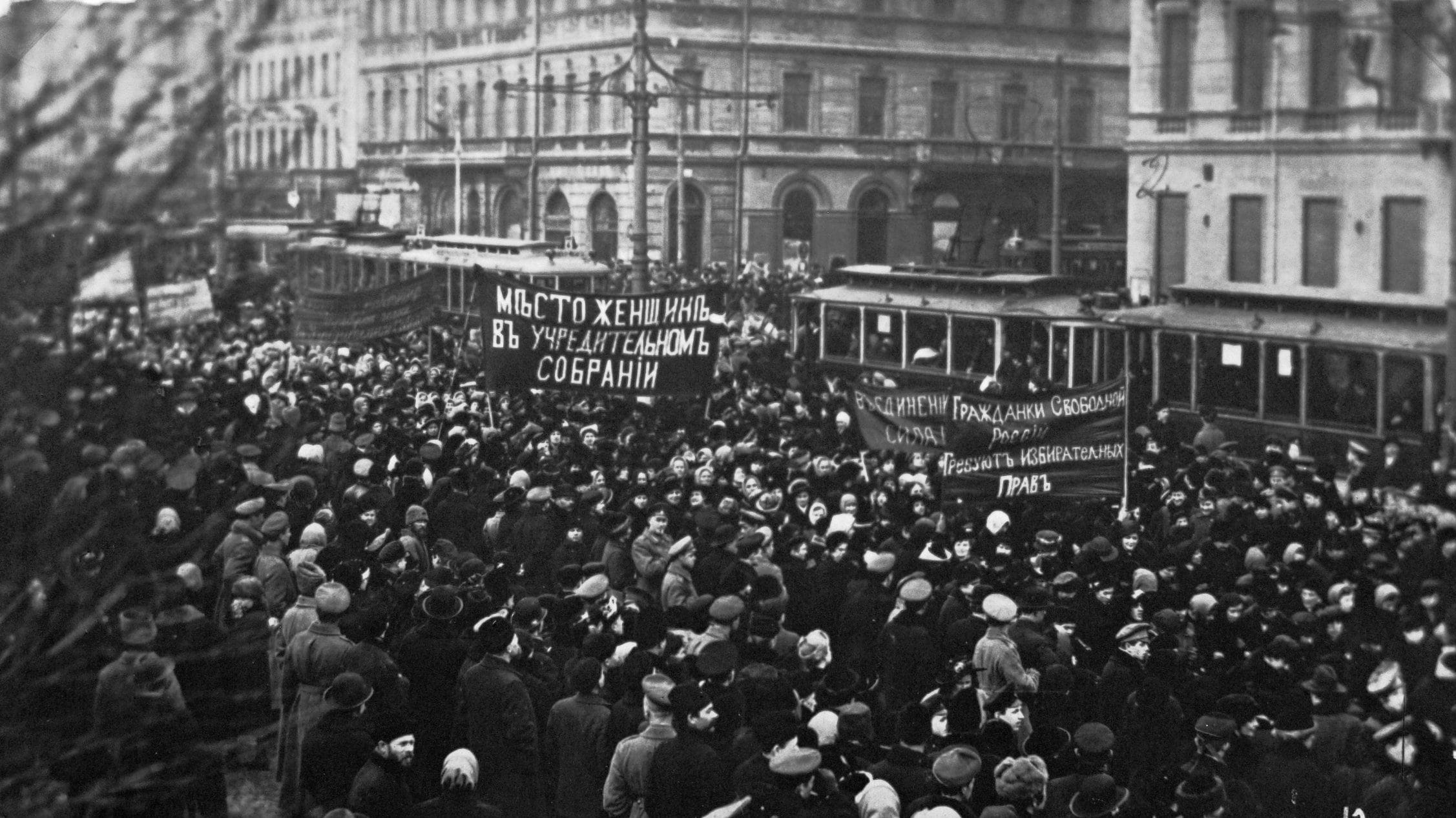 ThePrintFree-enterprise features are reshaping Russia’s socialist institutions: AD Shroff
 Primary workTOWARDS A SELF-RELIANT ECONOMY: LESSONS OF THE PAST
 Primary workDefence & Development with Stability
 Primary workThe Future is with Free Enterprise
 ExcerptFree Enterprise in India: A Call for Leadership - A.D. Shroff, 1961