
Summary
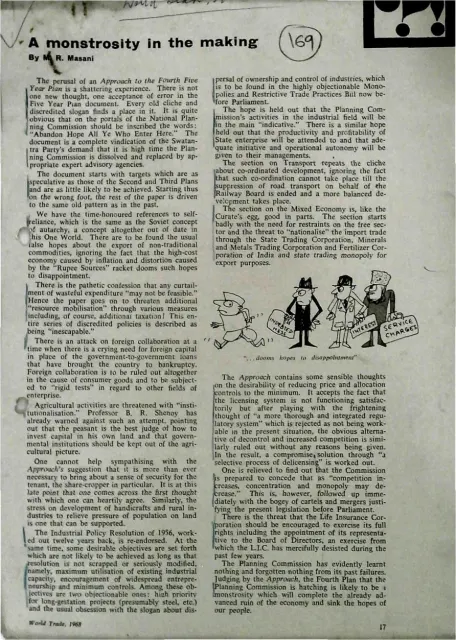
In “A Monstrosity in the Making,” M. R. Masani attacks the Planning Commission’s Approach to the Fourth Five Year Plan as a repetition of failed targets, discredited slogans, and interventionist policies. He argues that the document’s commitments to self-reliance, export promotion, additional taxation, restrictions on foreign collaboration, agricultural institutionalisation, long-gestation industrial projects, and dispersed state ownership are economically unrealistic and internally contradictory. Masani treats the plan as confirmation of the Swatantra Party’s demand that the Planning Commission be dissolved and replaced by expert advisory agencies.
Masani also criticises the proposed treatment of industry, transport, the mixed economy, licensing, and public-sector enterprise. He objects to state trading monopolies and continued controls while noting that the document itself concedes the desirability of reducing price and allocation controls. The essay concludes that the Fourth Plan is likely to intensify inflation, inefficiency, and economic decline rather than deliver growth or stability. The rendered material also includes a separate article, “A Critique,” by E. M. S. Namboodiripad, and duplicated/typescript pages of Masani’s text; the summary above is confined to Masani’s article.
Key points
- Masani presents the Approach to the Fourth Five Year Plan as a repetition of the Second and Third Plans’ unrealistic targets.
- He rejects the plan’s reliance on self-reliance and autarky, especially its assumptions about export growth and non-traditional commodities.
- He criticises proposed resource mobilisation through additional taxation and argues that wasteful expenditure should instead be curtailed.
- He opposes restrictions on foreign collaboration and the proposed institutionalisation of agriculture, citing the importance of peasant initiative and private investment.
- He attacks renewed industrial planning priorities, state ownership, monopolies, licensing, and state trading corporations.
- He identifies a contradiction between the document’s recognition that controls should be reduced and its continued preference for selective licensing and regulation.
- He concludes that the Fourth Plan would deepen the existing economic ruin and disappoint public hopes.
Metadata and summary are AI-extracted from the source PDF and reviewed for editorial accuracy. The original work is available via the Read PDF tab above (where present); paragraph-level citation inside the PDF is deferred to a future engagement.
People in this work
Related across the archive
 Primary workINDIA'S PROBLEM IS ECONOMIC: SOLUTION IS POLITICAL
 Primary workSwatantra Party Minutes of Meeting
 Primary workSubstitute Motion to the Motion to be Moved by of Planning
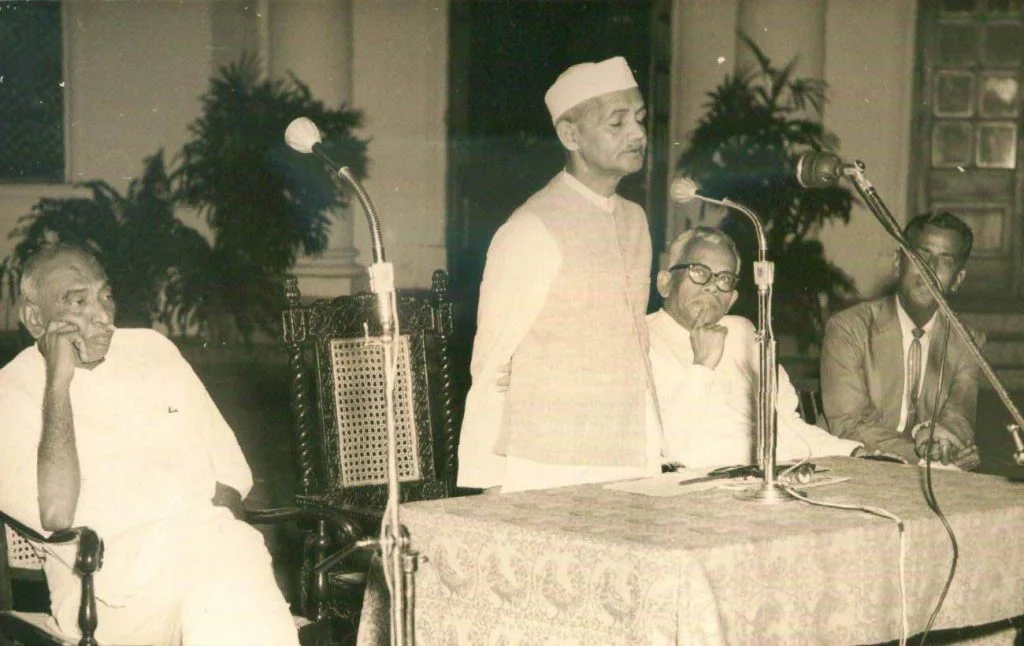 OpinionThe Aborted Promise of Economic Liberalisation in Mid-1960s
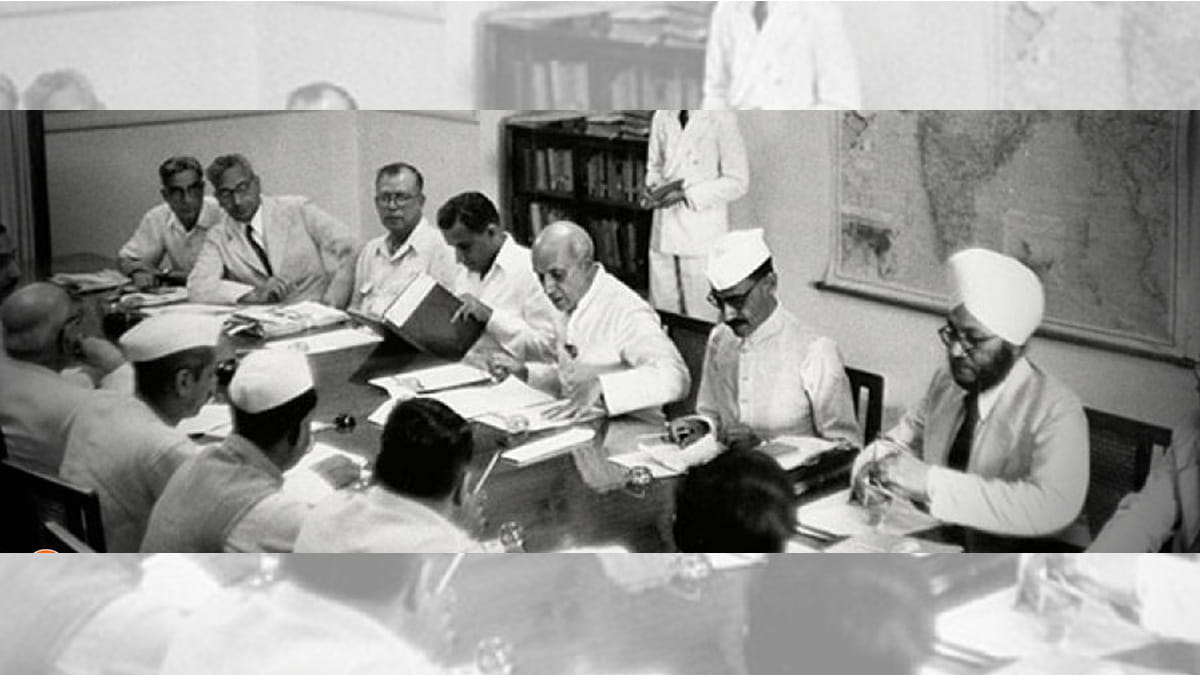 ThePrintSocialist planners aggravated unemployment problem