
periodical issue
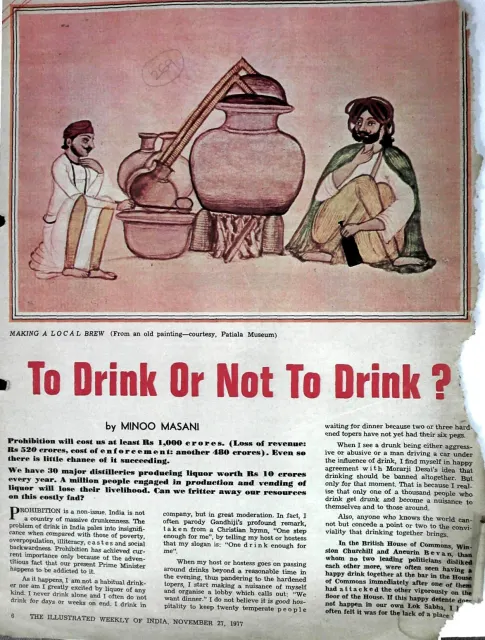
To Drink Or Not To Drink ?
By Minoo Masani
THE ILLUSTRATED WEEKLY OF INDIA · 1977
3 pages
Summary
This periodical article by Minoo Masani argues against total prohibition of alcohol while distinguishing moderate drinking from excessive drinking, drunkenness, and alcoholism. It opens by estimating that prohibition would cost India at least Rs 1,000 crores annually—Rs 520 crores in lost revenue and Rs 480 crores in enforcement costs—and contends that India is not a country of mass drunkenness. Masani accepts the case for temperance, public education, and targeted regulation of harmful conduct, especially drinking and driving, but rejects a blanket ban as impractical, economically damaging, and inconsistent with individual liberty.
The article presents prohibition as both a regulatory failure and a threat to a free society. It links bans to bootlegging, illicit distilling, corruption, dangerous liquor, and contempt for law, and argues that restrictions should address demonstrable harms rather than dictate what adults may consume. Masani invokes Mahatma Gandhi’s distinction between prohibition and moderate drinking, cites Jayaprakash Narayan on resistance to immoral laws, and discusses international medical evidence suggesting that moderate alcohol consumption may not be harmful and may sometimes benefit cardiovascular health. The pages also include historical and documentary illustrations of Indian brewing and alcohol culture.
Metadata and summary are AI-extracted from the source PDF and reviewed for editorial accuracy. The original work is available via the Read PDF tab above (where present); paragraph-level citation inside the PDF is deferred to a future engagement.
People in this work
Related across the archive
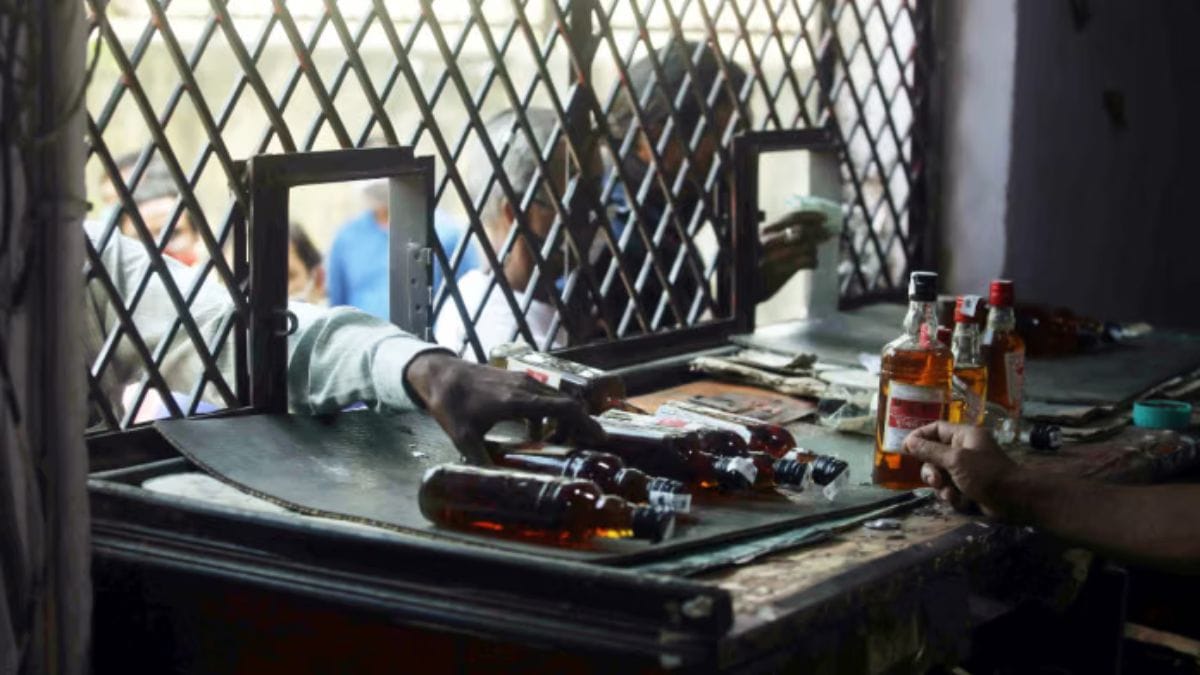 ThePrintCongress was committed to alcohol ban law without being practical: MA Venkata Rao
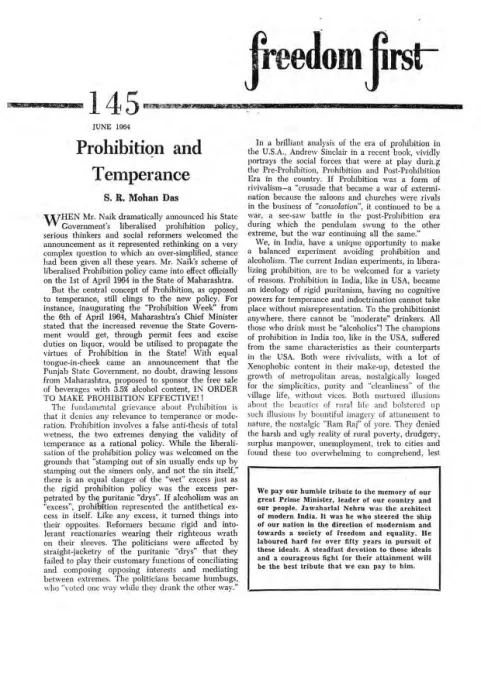 Primary workFreedom First
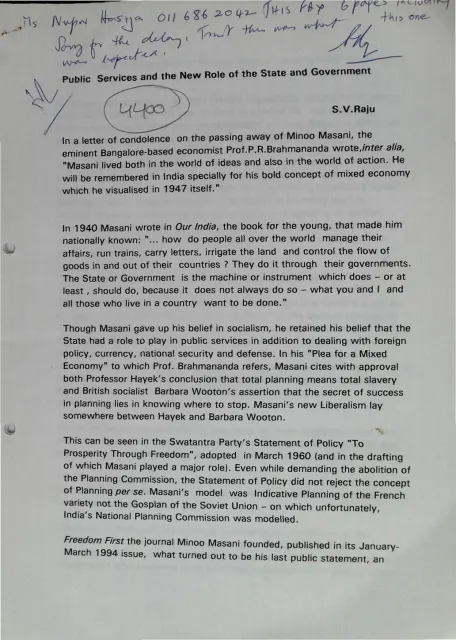 Primary workPublic Services and the New Role of the State and Government
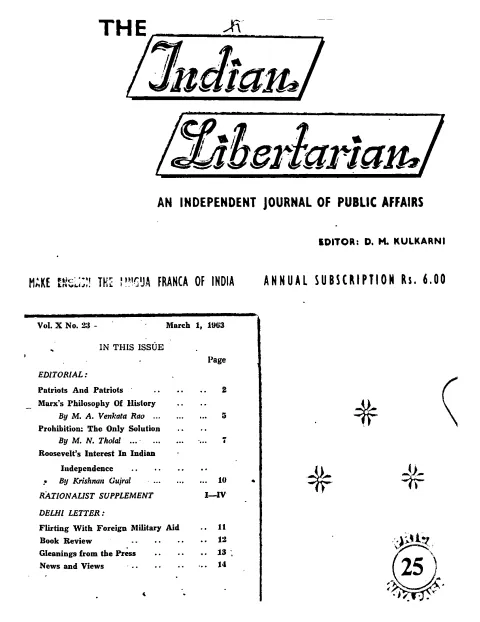 Primary workThe Indian Libertarian
 ThePrintHitlerite vegetarianism is not virtue. India’s food debates need more science, less sentiment