
legal filing
In the Supereme Court of India Original Jurisdiction
By Minoo Masani
J.B. DADACHANJI & CO., ADVOCATES SUPREME COURT, NEW DELHI · New Delhi · 1969
21 pages
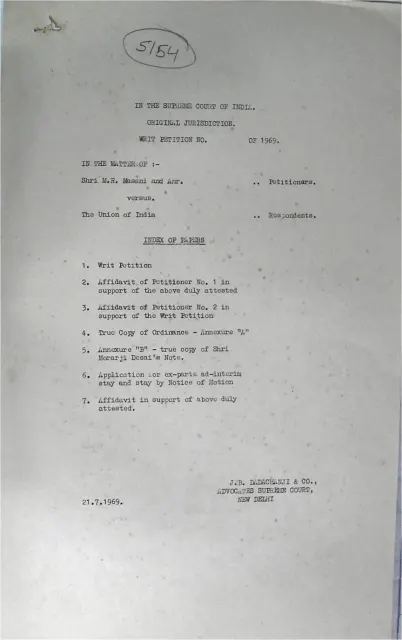
Summary
This 1969 Supreme Court writ petition, filed by M. R. Masani and Professor Bal Raj Madhok against the Union of India, challenges the Banking Companies (Acquisition & Transfer of Undertakings) Ordinance, 1969. The petitioners oppose the nationalization of fourteen major banks and argue that the Ordinance was promulgated on 19 July 1969 despite Parliament being scheduled to meet two days later. They contend that the President’s power under Article 123 of the Constitution was intended for genuinely urgent circumstances and could not properly be used to present Parliament with an accomplished fact.
The petition frames bank nationalization as a threat to parliamentary debate, shareholders’ property, existing bank management, and the petitioners’ constitutional freedoms of speech, expression, and political activity. It also argues that the Ordinance conflicts with Section 36AE of the Banking Laws (Amendment) Act, 1968, which permitted acquisition only in specified circumstances and with procedural safeguards. The accompanying application seeks an ex-parte interim stay, asserting that implementation would irreparably affect depositors, shareholders, and directors and could render the writ petition ineffective. The rendered material also includes affidavits by both petitioners and brief placeholder pages for the Ordinance and Morarji Desai’s note; the substantive text of those annexures is not reproduced in the pages viewed.
Key points
- The petition challenges the constitutional validity of the Banking Companies (Acquisition & Transfer of Undertakings) Ordinance, 1969.
- It identifies fourteen banks whose undertakings, assets, and liabilities were to be transferred to new banks with government-held share capital.
- The petitioners argue that Article 123 did not authorize urgent promulgation when both Houses of Parliament were due to meet shortly afterward.
- They characterize the Ordinance as an accomplished fact that would impair parliamentary debate and voting.
- The petition alleges conflict between the Ordinance and Section 36AE of the Banking Laws (Amendment) Act, 1968.
- The petition invokes property rights and freedoms of speech, expression, and political activity under Articles 19(1)(a) and 19(1)(g).
- The stay application argues that implementation would cause irreparable prejudice and potentially make the writ petition infructuous.
Metadata and summary are AI-extracted from the source PDF and reviewed for editorial accuracy. The original work is available via the Read PDF tab above (where present); paragraph-level citation inside the PDF is deferred to a future engagement.
People in this work
Related across the archive
 Primary workTHE BANKING COMPANIES (ACQUISITION & TRANSFER OF UNDERTAKINGS) ORDINANCE 1969
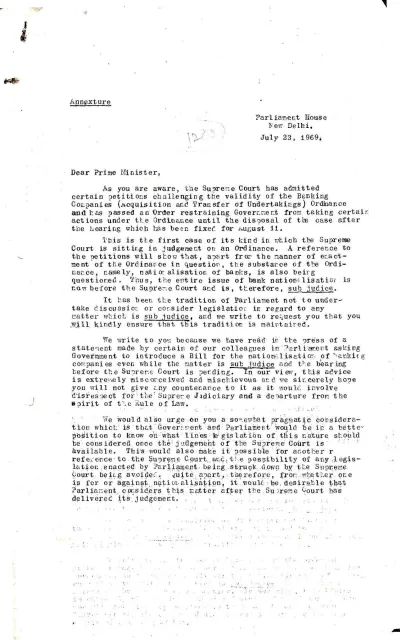 Primary workLetter to Prime Minister
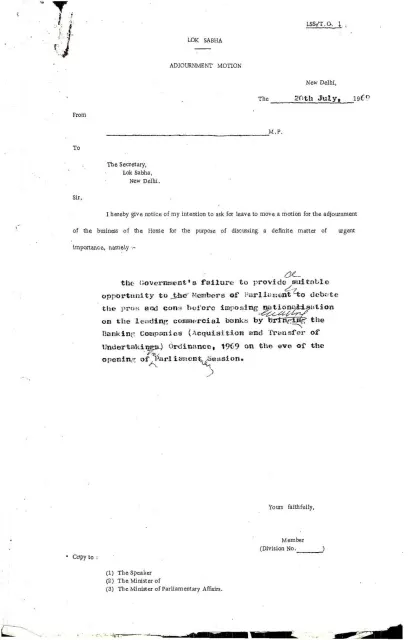 Primary workADJOURNMENT MOTION
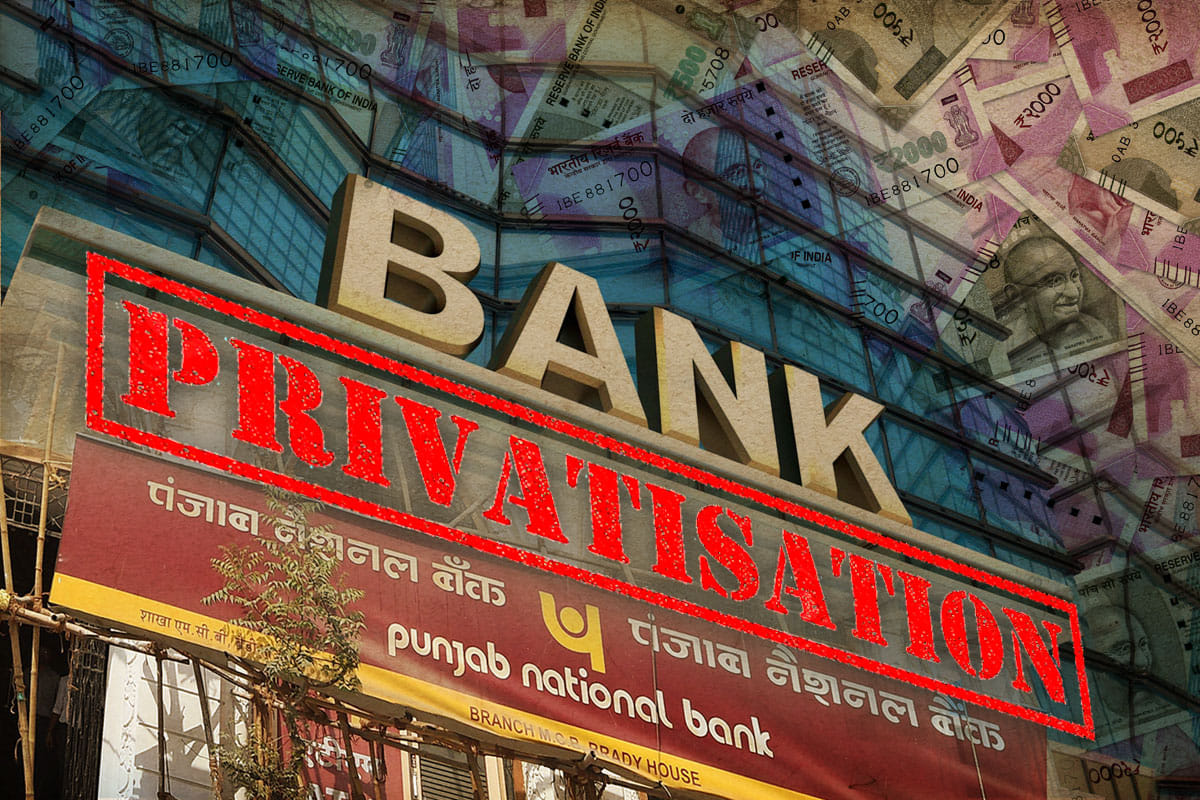 ThePrintBank nationalisation will be a blow to India’s mixed economy, lead to totalitarianism: Phiroze Shroff
 ExcerptN. A. Palkhivala's Views on Socialism