book · collected works
From the Hair of Shiva to the Hair of the Prophet
... and other essays
2004
461 pages
From the Hair of Shiva to the Hair of the Prophet
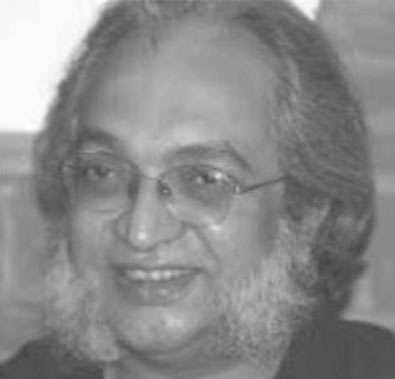
By SAUVIK CHAKRAVERTI
Summary
In the rendered pages (front matter plus the opening essays of a 40-essay collection), Sauvik Chakraverti sets out a deliberately simple, polemical case for classical liberalism aimed at lay readers rather than economists. The foreword frames the whole book as ‘enjoyable politico-economic journalism’ in the tradition of Bastiat and Hazlitt, written so that non-specialists ‘may not only enjoy the read but also appreciate the importance of Freedom: Freedom From The State’ (p.4); the author signs off ‘Onwards to a free India - and then, a free world’ and dates the piece January 2004. The contents page (rendered pp.6-8) shows the volume organised into five Parts - Evil, Good, the travelogue sequence that gives the book its title, Stray Thoughts, and Law - each chapter a short, exclamatory essay.
The essays visible in the rendered pages develop a single thesis. ‘Evil!’ argues that there are only two ways to survive - earning in the market or living off others by plunder - and brands India’s socialist ‘license-permit-quota raj’ as institutionalised theft dressed up as democracy. ‘Truth!’ insists the free market rests not on disposable ‘theories’ but on the basic truth that humans have, in Adam Smith’s phrase, a ‘natural propensity to truck, barter and exchange’. ‘Knowledge!’ attacks state education for teaching the young that India’s population causes poverty, countering (against an ‘Amartya Sen view’ he names as statist) that dense cities are rich because they widen the division of labour, and that landless labourers are poor only because they lack a marketable surplus. In the rendered pages the recurring prescription is urbanisation, free trade, and getting the state out of economic life.
Key points
-
In the rendered pages the book is framed as accessible libertarian journalism in the lineage of Bastiat and Hazlitt, aimed at lay voters rather than economists.
-
The foreword (p.4) names the volume’s goal as ‘Freedom From The State’ and is signed/dated January 2004.
-
Contents (rendered pp.6-8) lay out 40 short essays across five Parts: Evil; Good; the Shiva-to-Prophet travelogues; Stray Thoughts; Law.
-
Essay 1 (‘Evil!’) reduces human survival to honest market earning vs. plunder, casting socialism’s ‘license-permit-quota raj’ as legalised loot.
-
Essay 2 (‘Truth!’) grounds the free market in Adam Smith’s ‘natural propensity to truck, barter and exchange’ rather than in economic theory.
-
Essay 3 (‘Knowledge!’) attacks state schooling for teaching that population causes poverty, arguing instead that dense cities create wealth via the division of labour.
-
The author repeatedly prescribes urbanisation and free trade and disparages the ‘population problem’ framing, in the rendered pages.
Generated by the v1.5 extraction pipeline. Awaiting editorial review.
Metadata and summary are AI-extracted from the source PDF and reviewed for editorial accuracy. The original work is available via the Read PDF tab above (where present); paragraph-level citation inside the PDF is deferred to a future engagement.