interview
Indian Women Liberals | Rani Rashmoni Das, Janaki Ammal, Anandibai Joshee, and Rajkumari Amrit Kaur
2024
Summary
This Indian Liberals segment recovers the stories of four exemplary women from different regions of India, noting that women liberals often went unrecognised because they published under pseudonyms or wrote through male relatives. In 19th-century Bengal, Rani Rashmoni Das, a lower-caste widow, used the rule of law and private property to defend the fishing community: after the East India Company taxed fishing boats in the 1840s, she paid Rs 10,000 to lease a stretch of the Hooghly, barricaded it for fishers, and got the tax repealed with free river access. Janaki Ammal, a botanist and cytogeneticist, developed high-yielding sugarcane strains suited to Indian conditions, worked at the Royal Horticultural Society at Wisley, and was invited by Prime Minister Jawaharlal Nehru in 1951 to restructure the Botanical Survey of India.
The segment then profiles Anandibai Joshi, married at nine to Gopal Rao Joshi, who overcame heavy social backlash to become India's first female doctor of Western medicine and who raised questions about women's agency in public and private life. Finally it covers Rajkumari Amrit Kaur of Kapurthala, a freedom fighter, parliamentarian and India's first woman cabinet minister and health minister, one of fifteen women in the Constituent Assembly, who opposed reservations for women and helped build the country's public healthcare infrastructure.
Key points
- Indian women liberals often went unrecognised because they published under pseudonyms or wrote through male relatives.
- Rani Rashmoni Das leased a stretch of the Hooghly for Rs 10,000 and used the rule of law and property rights to defend the fishing community.
- She got the East India Company's 1840s tax on fishing boats repealed and won free river access for fishers.
- Janaki Ammal, a botanist and cytogeneticist, helped create high-yielding sugarcane strains suited to Indian conditions.
- Nehru invited Janaki Ammal in 1951 to return and restructure the Botanical Survey of India.
- Anandibai Joshi, married at nine, overcame social backlash to become India's first female doctor of Western medicine.
- Rajkumari Amrit Kaur was India's first woman cabinet minister and health minister and helped build public healthcare infrastructure.
- Amrit Kaur was one of fifteen women in the 299-member Constituent Assembly and opposed reservations for women.
Transcript
Indian Women Liberals | Rani Rashmoni Das, Janaki Ammal, Anandibai Joshee, and Rajkumari Amrit Kaur
Source: https://www.youtube.com/watch?v=hWjUFOTCOfU Duration: 276.3s
Speaker 1 (00:00): India’s women liberals are often not recognized in history books and narratives.
Speaker 2 (00:05): Historically, they often published their works under pseudonyms or channeled their writings through male family members. Unfortunately, these approaches limited the rightful recognition their work truly deserved. Through this video, we present you with the stories of four exemplary women
Speaker 1 (00:21): representing the different regions of India. We hope to feature more women liberals to grant them the well-deserved recognition that has been delayed for far too long through our Indian Liberals project. Rani Rashmoni Das In 19th century Bengal, Rani Rashmoni Das, a lower caste widow, emerged as an unrelenting reformer for the fishing community.
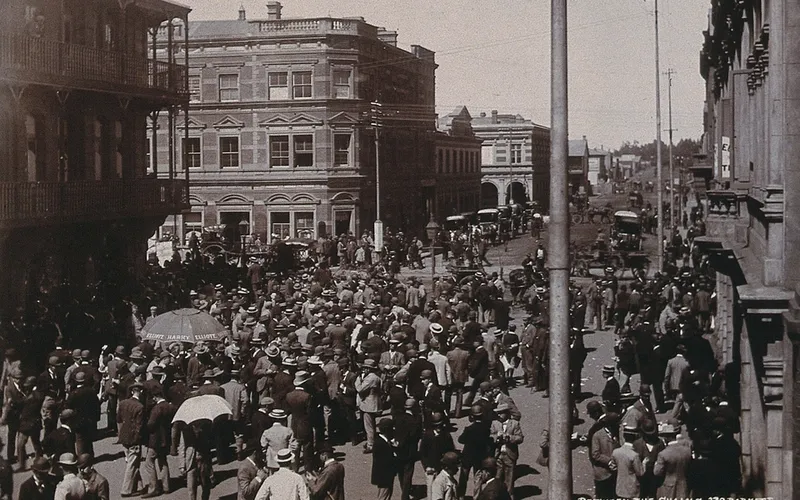
Speaker 2 (00:48): In the 1840s, the East India Company imposed a tax on fishing boats. Das offered Rs 10,000 to the company to lease a 10 km stretch along the Hooghly River. She barricaded her zone for the fisher community. Using the rule of law to protect her private property, she managed to get the taxes repealed
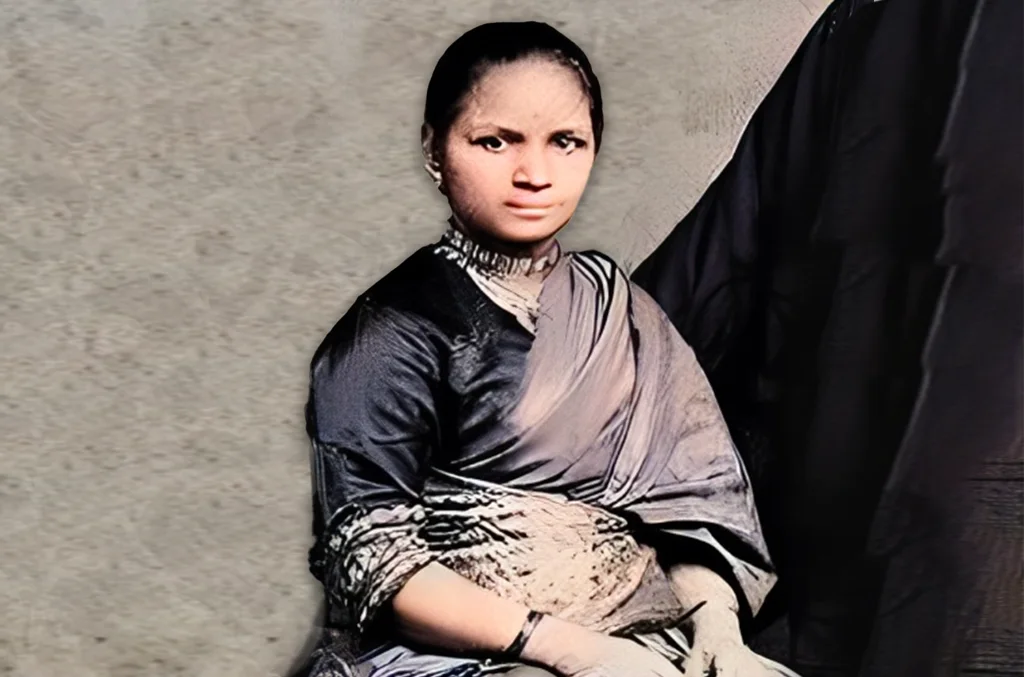
Speaker 1 (01:06): and won free access to the hooghly for the fishing community. Dr. Janaki Amal At a time when the country focused on the importance of women’s education and employment, Eda Walat Kakkat Janaki Amal, a botanist and cytogeneticist, best known for putting sweetness in India’s sugarcane varieties through her scientific methods remains unknown outside of academia. Her quest for knowledge led her to join the sugarcane breeding station in Coimbatore, where she used her expertise in cytogenetics to work on sugarcane biology.
Speaker 2 (01:41): Janaki helped create a high-yielding strain of the sugarcane that would thrive in Indian conditions. Impressed by her work, the Royal Horticulture Society invited her to work as a cytologist at their campus at Wisley. At the Society, one of the plants she worked on was the magnolia shrubs.
Speaker 1 (01:57): Her work ethic was so exemplary that the Society’s campus at Wisley named her magnolia shrubs after her magnolia cobus janaki amal. In 1951, the then Prime Minister Jawaharlal Nehru personally invited her to return to India and restructure the Botanical Survey of India. In 2000, the Ministry of Environment and Forestry created the National Award of Taxonomy in her name. Anandibai Joshi Anandibai Joshi went from being married at 9 to Gopal Rao Joshi, a 27-year-old postmaster who lived in Nasik to becoming India’s first female doctor of Western medicine.
Speaker 2 (02:34): Anandibai’s liberal thinking on social issues travelled back and forth between her internalized loyalty towards her culture and the enlightenment she received through education, which allowed her to question outdated beliefs. Anandi and Gopalra frequently moved places within India to pursue better educational opportunities. From Ali Bagh to Bombay to Bhuj and then to the Bengal Presidency. In all these places, Anandi received heavy backlash from society for pursuing education. In one of her letters, she explains the backlash in detail.
Speaker 1 (03:06): Besides being an inspiring historical figure, Anandi Bai raised important questions about the parity of women’s views and opinions between public and private life. She encouraged one to pick on the fragmented agency that women were allowed in societal
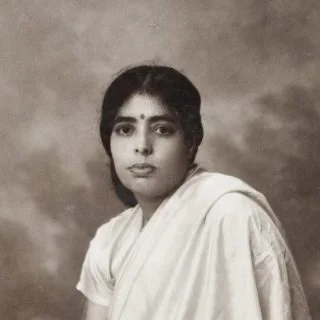
Speaker 2 (03:26): structures and analyze the independent, critical liberal thinking that women developed over time. Rajkumari Amrit Kaur Known as a princess in her nation’s service, Rajkumari Amrit Kaur of Kapoor Thala wore many hats. A freedom fighter, philanthropist, parliamentarian and a far-sighted union health minister. The first woman to hold a cabinet rank in Nehru’s cabinet post-independence.
Speaker 1 (03:52): She was also one of the 15 female founding members of the 299-member Constituent Assembly that came together to debate and draft the Constitution in December of 1946.
Speaker 2 (04:03): Like many women of the Constituent Assembly, she did not believe in reservations for women. She wrote, Rajkumari Amrit Kaur thus carved a special place for herself in Indian history. As India’s first female health minister, she became an architect of public healthcare infrastructure and in India’s nascent years as an independent republic. She paved the way for forthcoming health welfare schemes.
Metadata and summary are AI-extracted from the source PDF and reviewed for editorial accuracy. The original work is available via the Read PDF tab above (where present); paragraph-level citation inside the PDF is deferred to a future engagement.