reference
Architects of Tomorrow
Celebrating 25 Visionaries of Modern India
Centre for Civil Society · New Delhi · 2023
64 pages
Architects of Tomorrow
Published by the Centre for Civil Society, New Delhi (2023) — concept by Sudeshna Maiti; researched and curated by Anushka Das Sharma and Nadia Samad.
Summary
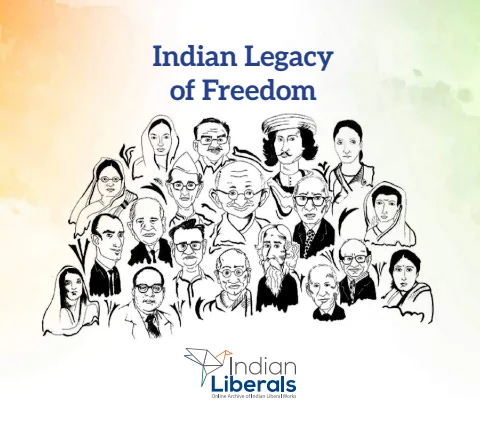
Architects of Tomorrow: Celebrating 25 Visionaries of Modern India is a commemorative booklet published in 2023 by the Centre for Civil Society (CCS), New Delhi, with support from the Friedrich Naumann Foundation for Freedom, South Asia. Conceived by Sudeshna Maiti and researched and curated by Anushka Das Sharma and Nadia Samad, it forms part of the CCS indianliberals.in archive project, which seeks to preserve India’s long history with liberalism and to ensure that “every Indian, today and tomorrow, is familiar with their own national champions of liberty.” Each of its twenty-five single-page profiles pairs a portrait with a short biographical sketch that ties the subject to core liberal values — individual rights, freedom of choice, and accountability across the domains of state, society, and market.
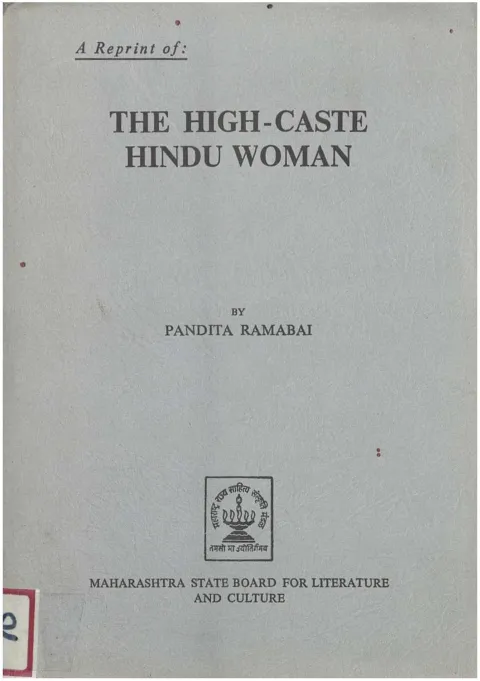
The selection is deliberately broad, ranging across two centuries and many walks of Indian public life. It gathers nineteenth-century social and religious reformers (Raja Ram Mohan Roy, Ishwar Chandra Vidyasagar, Jyotiba Phule, Pandita Ramabai, and Rani Rashmoni Das); pioneering women in education, medicine, science, and public life (Shareefa Hamid Ali, Abala Bose, Anandibai Joshee, Rukhmabai, Fatima Sheikh, Janaki Ammal, and the Dalit writer-activist Babytai Kamble); constitutional and legal figures (B. R. Ambedkar and the jurist Nani Palkhivala); free-market economists and industrialists (B. R. Shenoy and A. D. Shroff); and the farmers’-rights organiser Sharad Joshi. A striking cluster are associated with the Swatantra Party, India’s short-lived liberal party — C. Rajagopalachari, Minoo Masani, Piloo Mody, N. G. Ranga, and Mariadas Ruthnaswamy — alongside earlier Congress liberals such as Dadabhai Naoroji, Gopal Krishna Gokhale, and Pherozeshah Mehta.
Two threads run through the profiles. One is social emancipation — the campaigns against child marriage, sati, and caste discrimination, and for widow remarriage, women’s education, and the franchise. The other is economic and political liberalism — opposition to Nehruvian statism and cooperative farming, a defence of free enterprise (Shroff co-authored the Bombay Plan and co-founded the Forum of Free Enterprise), and resistance to what the compilers cast as Soviet-style socialism. The booklet makes no scholarly claims — it notes that the profiles rest on publicly available online data — but as a curated roster it advances the CCS argument that India’s liberal tradition is older, wider, and more diverse than commonly remembered, and worth recovering before it is lost.
Key points
-
A 2023 commemorative booklet from the Centre for Civil Society (with the Friedrich Naumann Foundation), profiling 25 figures it frames as liberal ‘visionaries of modern India’; part of the indianliberals.in archive.
-
Conceived by Sudeshna Maiti; researched and curated by Anushka Das Sharma and Nadia Samad; single-page illustrated profiles based on publicly available online sources.
-
Spans two centuries: nineteenth-century reformers (Ram Mohan Roy, Vidyasagar, Phule, Pandita Ramabai, Rani Rashmoni) to twentieth-century economists, jurists, and politicians.
-
Foregrounds women pioneers in education, medicine, science, and rights — Shareefa Hamid Ali, Abala Bose, Anandibai Joshee, Rukhmabai, Fatima Sheikh, Janaki Ammal, and Babytai Kamble.
-
Features a strong Swatantra Party cluster — C. Rajagopalachari, Minoo Masani, Piloo Mody, N. G. Ranga, and Mariadas Ruthnaswamy — plus Congress-era liberals Naoroji, Gokhale, and Pherozeshah Mehta.
-
Includes free-market advocates B. R. Shenoy and A. D. Shroff (Bombay Plan, Forum of Free Enterprise) and farmers’-rights leader Sharad Joshi.
-
Recurring social-reform themes: opposition to child marriage, sati, and caste discrimination; support for widow remarriage, women’s education, and suffrage.
-
Editorial aim: recover and popularise India’s diverse liberal heritage so its ‘national champions of liberty’ are not forgotten.
Ingested 2026-07-21 from the CCS source archive. AI-drafted summary awaiting editorial review.
Metadata and summary are AI-extracted from the source PDF and reviewed for editorial accuracy. The original work is available via the Read PDF tab above (where present); paragraph-level citation inside the PDF is deferred to a future engagement.
People in this work
- Shareefa Hamid Ali
- B. R. Ambedkar
- Lady Abala Bose
- Rani Rashmoni
- Gopal Krishna Gokhale
- Anandibai Joshee
- Sharad Joshi
- Babytai Kamble
- Minoo Masani
- Pherozeshah Mehta
- Piloo Mody
- Dadabhai Naoroji
- Nani Palkhivala
- Jyotirao Phule
- C. Rajagopalachari
- Pandita Ramabai
- Acharya N. G. Ranga
- Raja Ram Mohan Roy
- Rukhmabai Raut
- Prof. M. Ruthnaswamy
- Fatima Sheikh
- B. R. Shenoy
- A. D. Shroff
- Janaki Ammal
- Ishwar Chandra Vidyasagar