social reformer
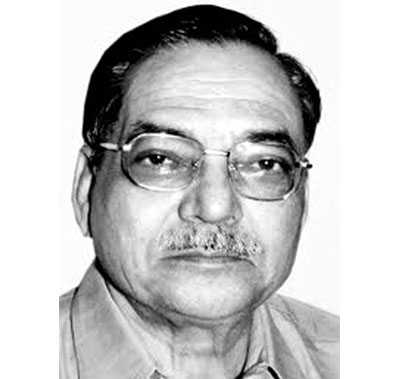
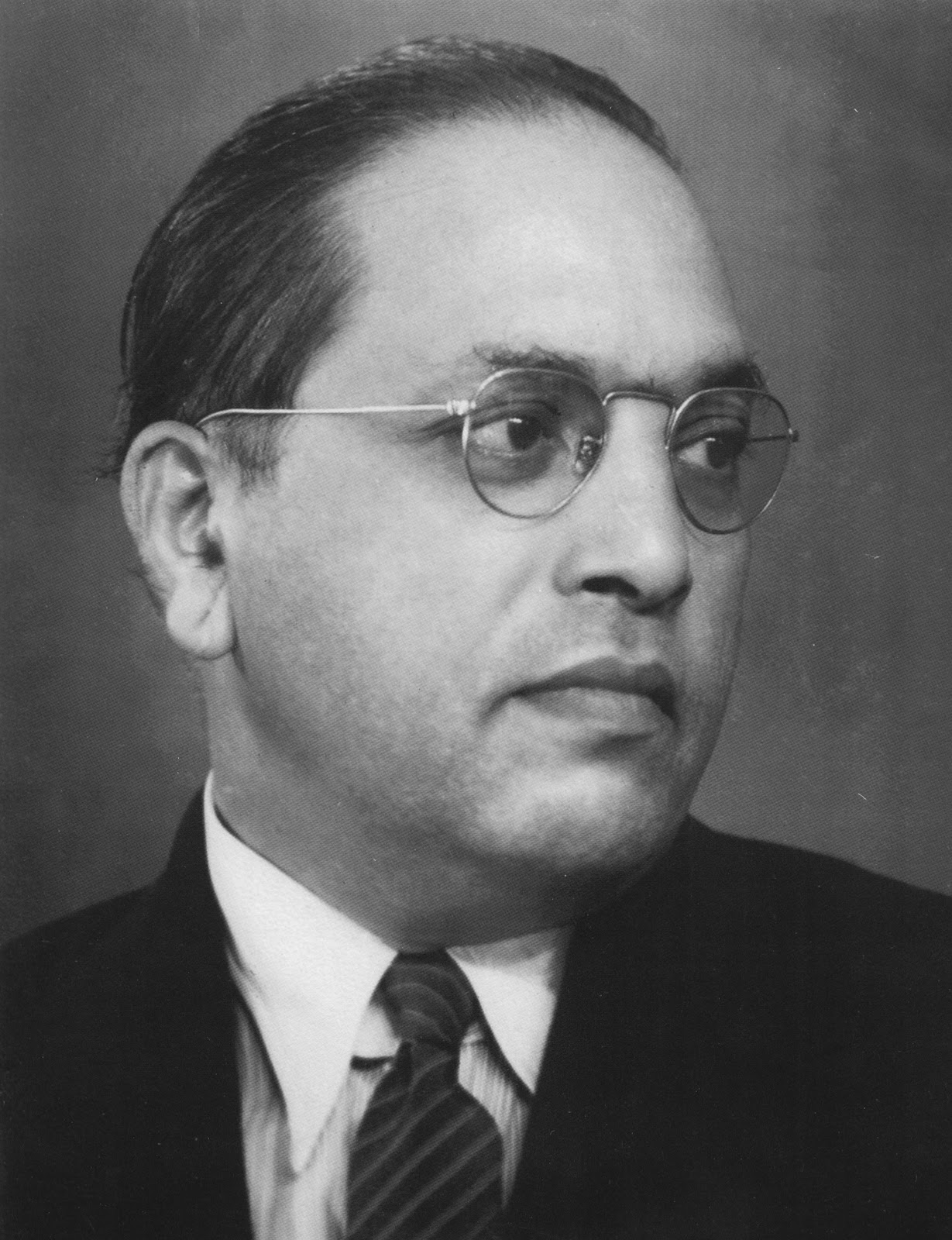
B. R. Ambedkar
Bhimrao Ramji Ambedkar
1891–1956
Also known as: Ambedkar, Babasaheb, BR Ambedkar, B.R. Ambedkar, बाबासाहेब आंबेडकर, भीमराव आंबेडकर, डॉ. बाबासाहेब आंबेडकर, भीमराव रामजी आंबेडकर
How B. R. Ambedkar is discussed in this archive
Authored 2 works in the archive.
Subject of 1 profile piece , including B.R. Ambedkar on Justice Ranade, Social Reform and Failure of Indian Liberalism .
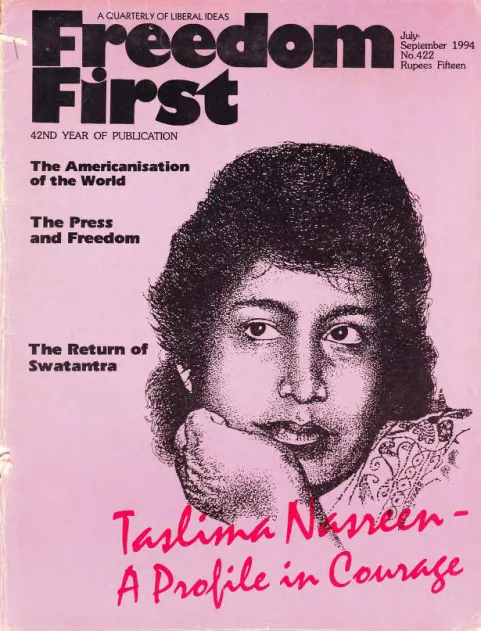
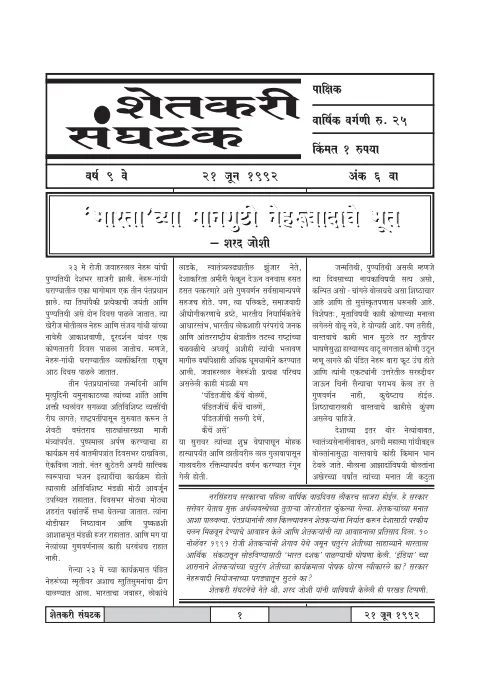
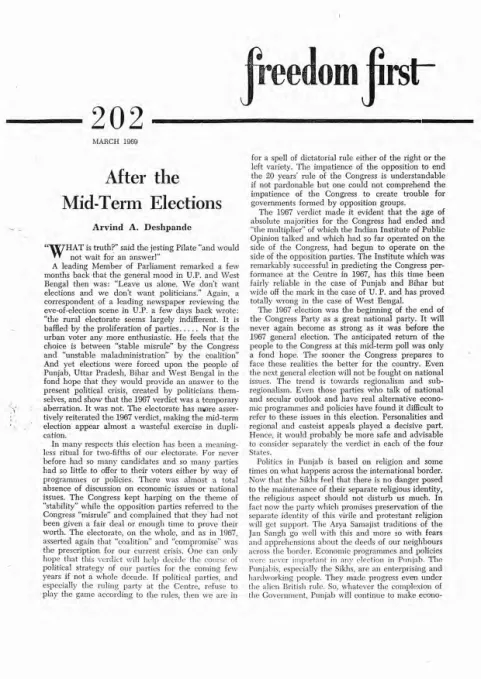
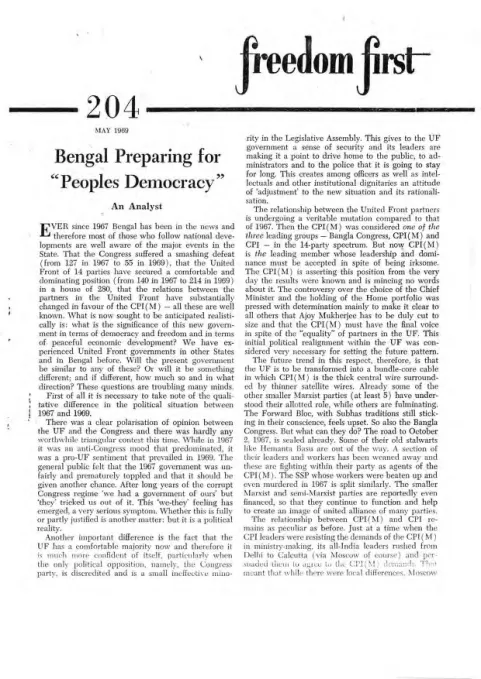
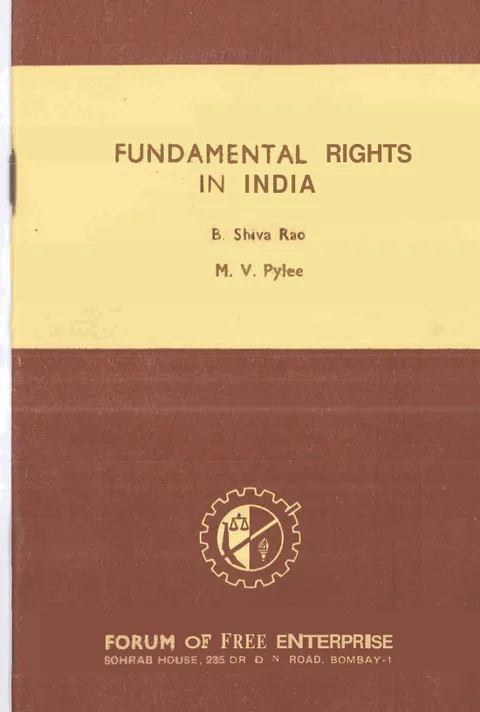
Referenced in 16 other works , including IL Explainer - Ep 6 | Why Are Fundamental Rights Not Amendable? , शेतकरी संघटक , and Fundamental Rights in India .
In IL Explainer - Ep 6 | Why Are Fundamental Rights Not Amendable? : Meghrajji invokes Ambedkar's own words from the Constituent Assembly to show that Part III was deliberately placed beyond Parliament's ordinary amending power.
In The Case for Liberalism in Indian History : Ambedkar is invoked for his vision of social transformation rooted in equal dignity across caste and class — framed as deeply liberal.
In The Challenges for Liberal Grassroots Movements : In the context of constitutional democracy, 'the vote and the freedom exercised responsibly,' and rejection of street agitation, 'Doctor' refers to B.
In Fifty Years After ... : Justice Jahagirdar invokes Ambedkar's opposition to panchayat rule as a counterpoint to the Gandhian ideal of Gram Swaraj, using him to question whether village self-governance is a viable path for India's marginalised communities.
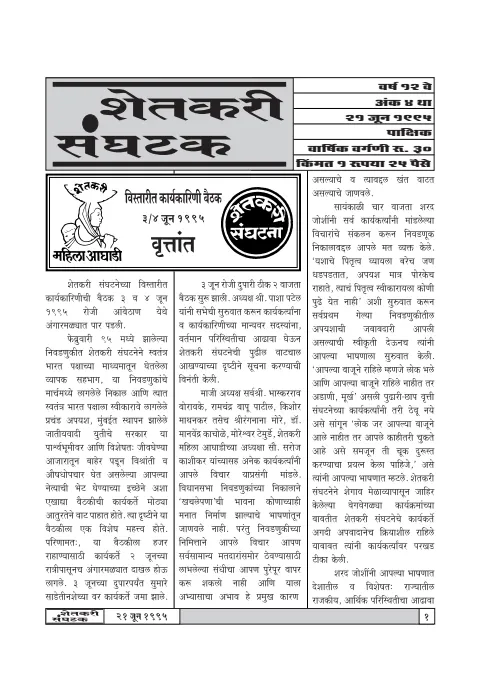
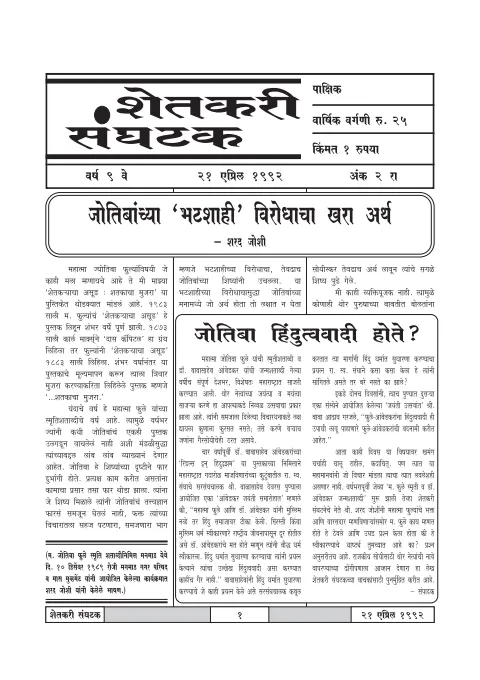
In शेतकरी संघटक : Ambedkar is invoked as the prior major reinterpreter of Phule whose anti-caste reading Joshi acknowledges but distinguishes from his own anti-exploitation reading — making Ambedkar the foil against which Joshi defends his agrarian-economic appropriation of Phule's legacy.
By B. R. Ambedkar (2)
Nothing here matches. Clear the search or remove some filters.
Matches inside B. R. Ambedkar's works and pages
Excerpts (3)
Short passages from the archive associated with B. R. Ambedkar. An excerpt may be a quoted passage, a summary, or an editorial description, so these are kept separate from the works B. R. Ambedkar authored.
About B. R. Ambedkar (2)
Profile pieces (2)
-
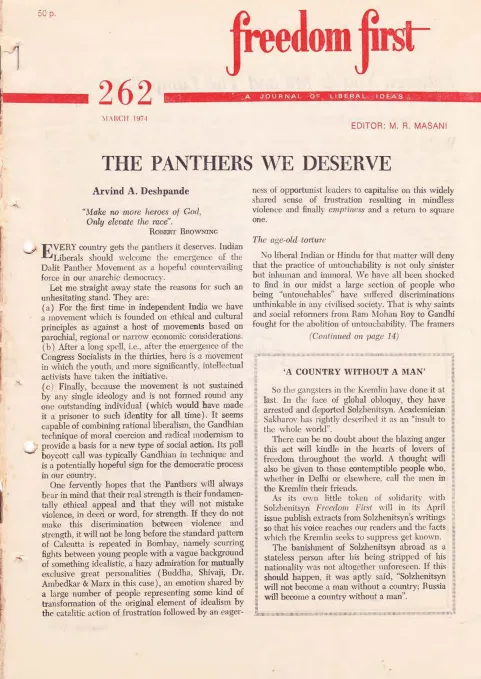
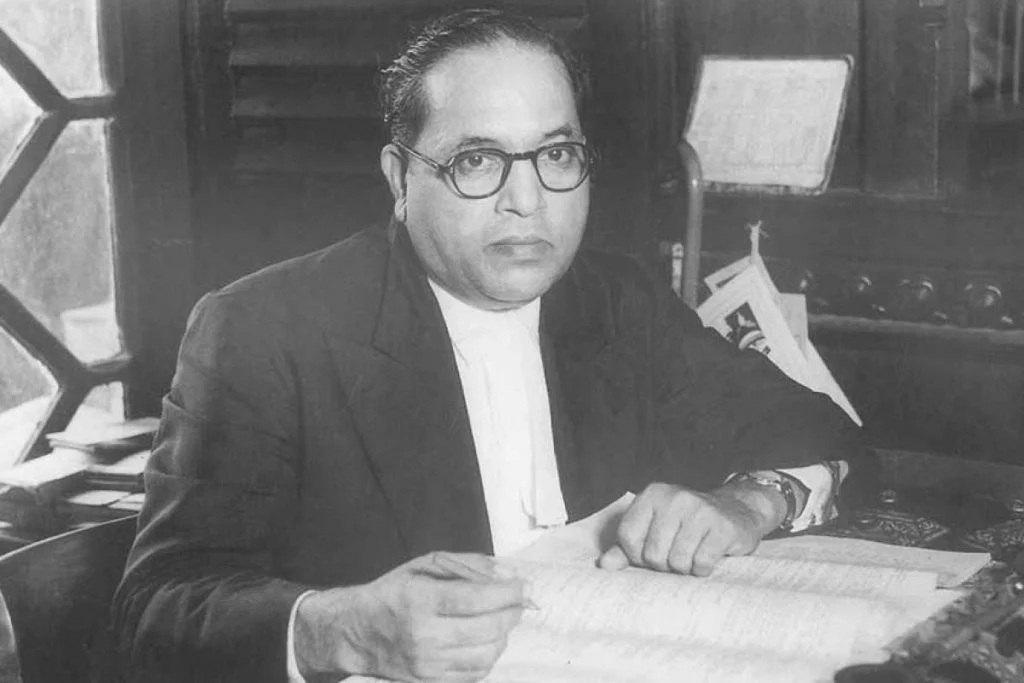 B.R. Ambedkar on Justice Ranade, Social Reform and Failure of Indian Liberalism
 - "Bereft of any personal connection with Ranade, Ambedkar relied on the Great Man theory as propounded by Carlyle to assess him" · frames Ambedkar's methodology in assessing Ranade's contribution to social reform
- "Ambedkar argued that a reformer challenging established social mores is even more courageous than a political prisoner" · Ambedkar's recognition of social reformers' unique vulnerability without political support
- Dr B R Ambedkar on Village Panchayats
Mentioned in (84)
Primary works (74)
- IL Explainer - Ep 6 | Why Are Fundamental Rights Not Amendable? · 2022
- "the supremacy of of the fundamental rights compared to other part — amendable parts of the Constitution is well reflected in — in a court by Ambedkar. Shri Raj Mehra quoted Ambedkar." · Introducing the Ambedkar citation.
- "if the future Parliament wishes to amend any particular article, which is not mentioned in Part Three, all that is necessary for them is to have two thirds majority, then they can amend it." · Ambedkar quotation deployed by Meghrajji.
- The Case for Liberalism in Indian History · 2020
- "And Ambedkar talked about how the social transformation needs to happen in India." · Ambedkar is named as the social-transformation pillar of Indian liberalism.
- The Challenges for Liberal Grassroots Movements · 2020
- "That's what Doctor said, and that's what we have forgotten, unfortunately" · Invoked immediately after stating that the vote and responsible freedom are the only legitimate tools in a constitutional democracy — a paraphrase of Ambedkar's closing Constituent Assembly address.



Show all 74
- Fifty Years After ... · 1997
- "He invokes Ambedkar's opposition to panchayat rule as a counterpoint to the Gandhian ideal of Gram Swaraj." · Ambedkar cited in Jahagirdar's argument about the gap between Gandhian rural ideals and Ambedkarite caution
- शेतकरी संघटक · 1992
- "The essay engages extensively with B. R. Ambedkar's later interpretations of Phule, noting that Ambedkar eventually framed Phule's anti-caste work in a different register; Joshi insists Phule was not anti-Hindu but anti-exploiter." · Joshi positions his own reading of Phule against Ambedkar's later anti-caste framing
- "Ambedkar's later reinterpretation of Phule is noted and partly distinguished from Joshi's own reading." · key-points summary marks Ambedkar as the prior interpretive authority Joshi engages and partially diverges from
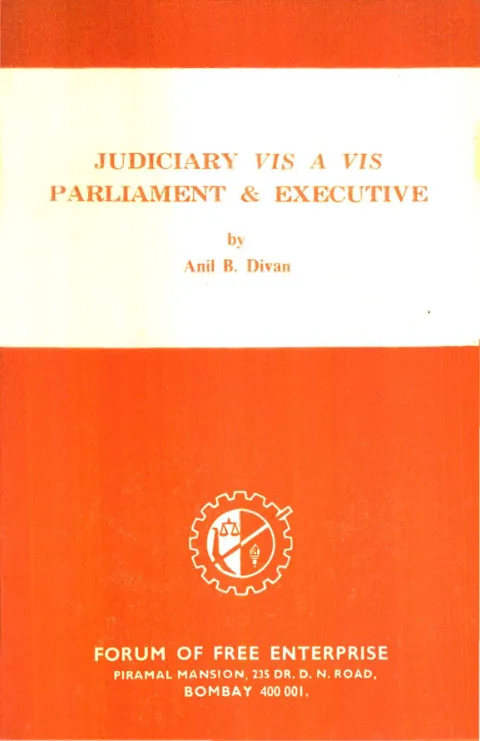
- Judiciary Vis a Vis Parliament & Executive · 1981
- "the Constituent Assembly's intent — quoting Nehru, Ambedkar and B. N. Rau on the need for judges free from party bias" · Divan's framing of the constitutional design for judicial independence
- Fundamental Rights in India · 1969
- "Dr. Ambedkar heading the Drafting Committee, embedded not just rights but remedies (Article 32)" · establishes the drafting history that made fundamental rights legally enforceable
- "Ambedkar calling Article 32 'the very heart' of the Constitution" · Ambedkar's own framing used to anchor the argument that Parliament cannot amend away the right to judicial remedy
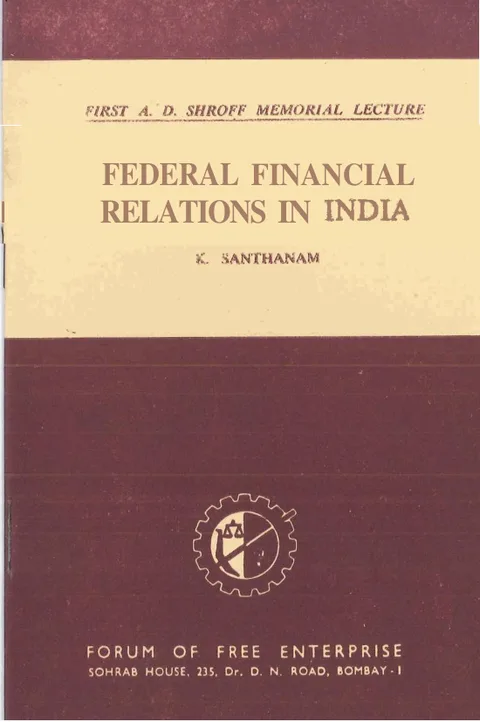
- Federal Financial Relations in India · 1966
- "Santhanam credits the Constituent Assembly drafters — Ambedkar, B. N. Rau, Gopalaswamy Ayyangar and K. M. Munshi — with producing a precise, if cautious, federal scheme" · central praise of the constitutional drafting team; Ambedkar heads the named quartet





Opinion pieces (4)
- Babytai Kamble's Resolute Feminism
- "Kamble herself was inspired by the life of Dr B.R. Ambedkar and the contributions he made to the Dalit community. Taking his beliefs and morals forward, Kamble not only became a torchbearer of Ambedkar's values and motives" · framing Kamble's activism as a continuation of Ambedkar's emancipatory project
- Fighting for Freedom : The Tumultuous Legacy of Raghunath Karve
- "Dr. Babasaheb Ambedkar took up his case and represented him in court. Dr. Ambedkar raised pertinent questions about censorship, freedom of speech and expression, and individual freedom." · Ambedkar's courtroom intervention frames him as a defender of Karve's individual-liberty mission
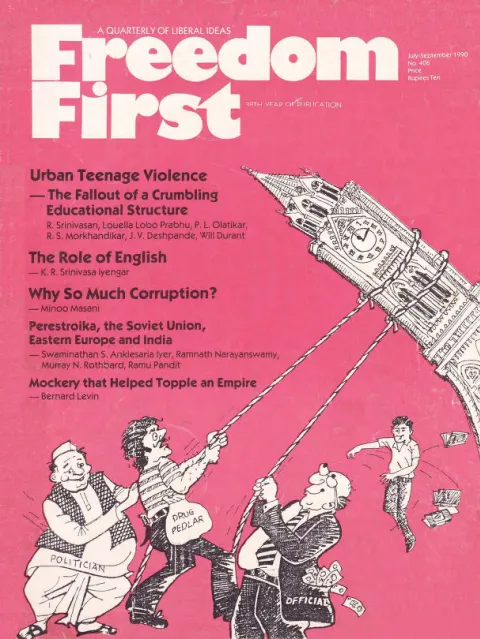
- Freedom First's Resistance to Indira Gandhi's Emergency
- "Indira Gandhi and her sycophants' bid to overturn constitutional provisions was a turn away from the vision of Jawaharlal Nehru, Bhimrao Ambedkar, and Sardar Patel" · Ambedkar invoked as a founding constitutional authority against the Emergency's constitutional revisions
- The Radical Humanism of Jyotiba Phule
- "Jyotiba Phule's radical humanism made him distinct from other nationalist leaders and was emulated by both E V Ramaswamy and Bhimrao Ambedkar." · identifies Ambedkar as one of Phule's principal ideological heirs
Excerpts (4)
- Caste System, Greatest Curse of India
- "out of a healthy spirit of camaraderie and social co-operation, but "mechanically" as Dr Ambedkar has well put it" · Kulkarni borrows Ambedkar's exact word to characterise the hollow cross-caste contact of public life
- "The same writer further says in his book "What Gandhi and Congress have done for the untouchables" that the caste system is not only "non-social but also anti-social"" · Ambedkar's verdict supplies the essay's strongest single indictment of caste
- Fundamental Rights: Our Protection Against Tyranny
- "The Hon'ble Dr. B. R. Ambedkar, while explaining that the procedure for amending the Constitution was simple, expounded on the necessity of curbing the powers of Parliament." · Ambedkar's constituent-assembly speech is deployed as the founders' own warrant against Parliament's self-aggrandisement
- Sharad Joshi on Liberalism in India
- "Ambedkar, Periyar, Ramaswami Naicker and others organised certain castes and communities from the backward classes." · Joshi surveys social-reform movements that channelled oppressed communities' aspirations
- The Light of the Constitution
- "Dr B. R. Ambedkar said: "The Declaration of the Rights of Man…has become part and parcel of our mental make-up…These principles have become the silent, immaculate premise of our outlook."" · Ambedkar's words invoked to show the founding generation's commitment to fundamental rights that the 1976 amendments threaten