classical liberal
John Locke
1632–1704
How John Locke is discussed in this archive
Referenced in 2 other works , including Liberalism in South Asia , and Government and Society in a Free and Prosperous Commonwealth .
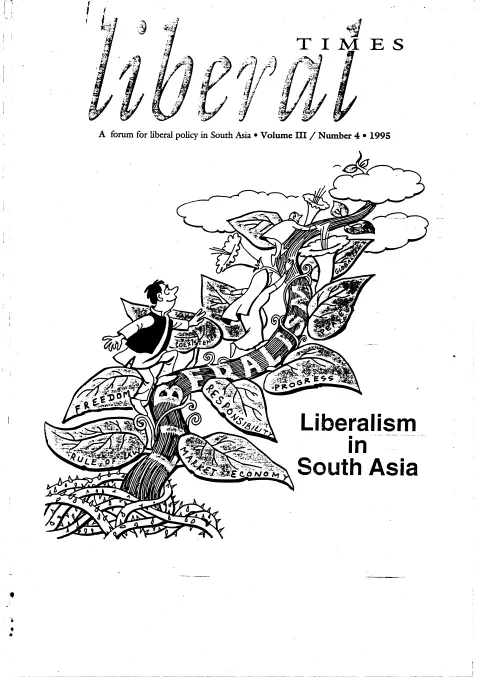
In Liberalism in South Asia : In Doering's intellectual-history opening, Locke's Two Treatises of Government (1689) is identified as the first systematic rational theory of inalienable rights — life, liberty, and property — making Locke the foundational figure in his liberal genealogy.
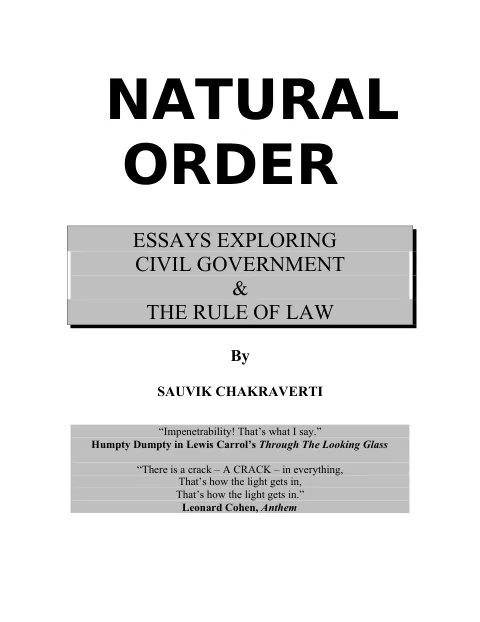
In Government and Society in a Free and Prosperous Commonwealth : Locke is named as one of the classical liberal thinkers with whom Chakraverti explicitly engages throughout the book, making him a foundational reference for the collection's exploration of civil government and individual rights.
Mentioned in (14)
Primary works (13)
- Liberalism in South Asia · 1995
- "He credits John Locke's Two Treatises of Government (1689) as the first systematic rational theory of inalienable rights — life, liberty, and property." · Doering places Locke as the founding pillar of his liberal genealogy
- "Locke's Two Treatises of Government (1689) is identified as the first universal, rational theory of inalienable rights encompassing life, liberty, and property." · key-points reprise re-anchors Locke as the canonical source of liberal rights theory
Excerpts (1)
- Government and Society in a Free and Prosperous Commonwealth
- "Chakraverti engages with classical liberal thinkers such as John Locke and Adam Smith" · Locke is identified as one of the two primary classical liberal anchors for Chakraverti's philosophical framework