non liberal
Rajiv Gandhi
1944–1991
Also known as: राजीव गांधी, রাজীব গান্ধী
How Rajiv Gandhi is discussed in this archive
Referenced in 4 other works , including India: Seeing the Future in its Past , Fifty Years After ... , and LIFE AFTER LIBERALISATION .
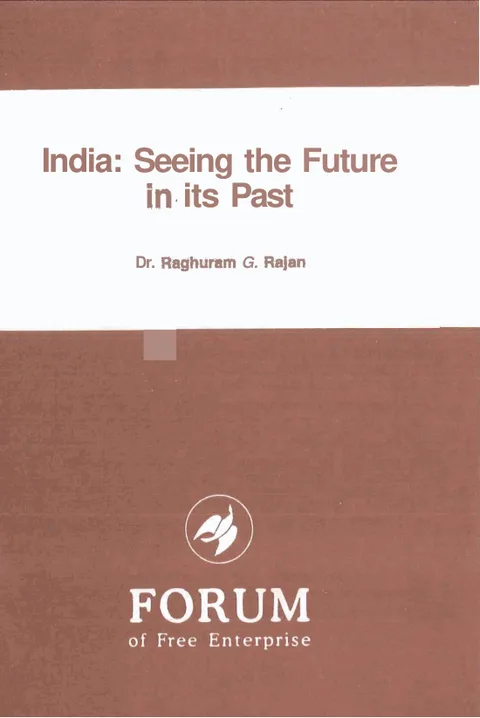
In India: Seeing the Future in its Past : Rajan credits the Indira and Rajiv Gandhi years with the first liberalisation openings that prepared the way for the deeper 1991 reforms.
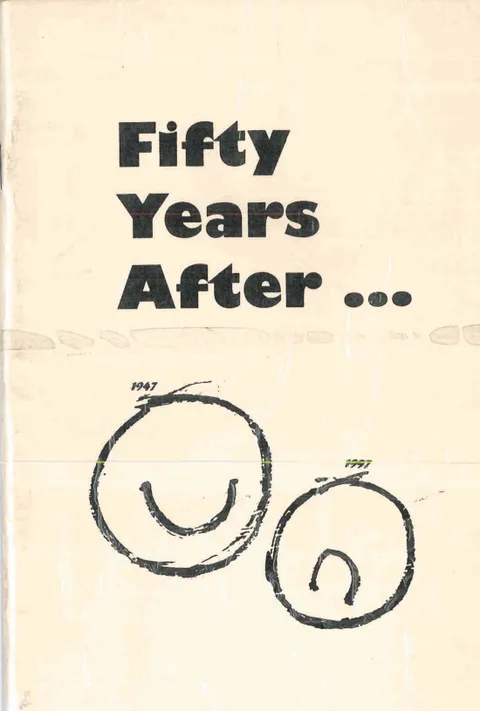
In Fifty Years After ... : Rajiv Gandhi is referenced satirically by Sadanand Varde, who mocks the 'Freedom Run' gimmick staged under his leadership as emblematic of the hollow official celebration of independence.
In LIFE AFTER LIBERALISATION : Ganguly invokes the late Rajiv Gandhi's reform impulse in his closing 'Post Script' to argue that the post-1991 liberalisation is irreversible and continuous with earlier Congress reform aspirations.
In For Absolute Freedom of Expression : The Rajiv Gandhi government's 1988 ban on Satanic Verses is presented as the Indian watershed proving 'the Indian political class could be subdued by a mix of rhetoric, threat, and downright violence' — the foundational episode for Kapoor's case against expression-restriction-as-cowardice.
Mentioned in (30)
Primary works (29)


Show all 29
- India: Seeing the Future in its Past · 2006
- "to seize the liberalisation openings under Indira and Rajiv Gandhi and the deeper 1991 reforms." · Rajiv Gandhi is paired with Indira as the pre-1991 liberalisation phase
- "Pre-1991 liberalisation under Indira and Rajiv Gandhi, plus political decentralisation after the decline of Congress dominance, shifted competitive pressure onto state governments" · key-points: Rajiv-era liberalisation framed as a real if uneven shift
- Fifty Years After ... · 1997
- "Varde ends with a satirical letter exchange mocking the 'Freedom Run' gimmick under Rajiv Gandhi as emblematic of the hollow official celebration of independence." · Rajiv Gandhi cited as the political target of Varde's satirical closing
- LIFE AFTER LIBERALISATION · 1992
- "Ganguly invokes the late Rajiv Gandhi's reform impulse, defends Indians who emigrated and remitted skills back" · closing peroration; Rajiv Gandhi positioned as a precursor whose impulse the 1991 reforms vindicate
Excerpts (1)
- For Absolute Freedom of Expression
- "Parliamentarian and editor of the monthly magazine Muslim India Syed Shahabuddin petitioned the Rajiv Gandhi government the same. The government immediately responded and banned the book on October 5." · the Rajiv Gandhi government's swift Satanic Verses ban is the essay's pivotal case-study of capitulation