libertarian
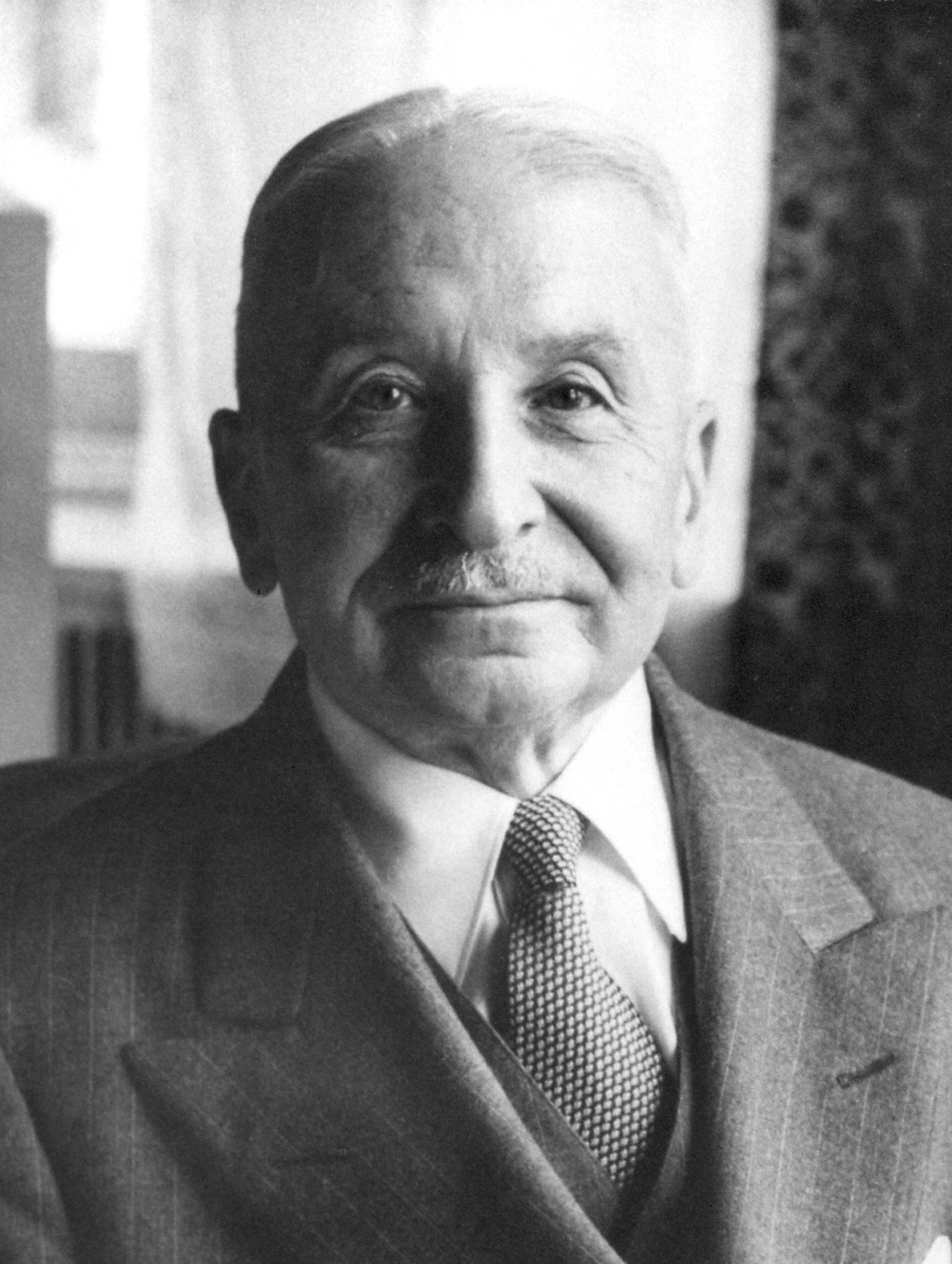
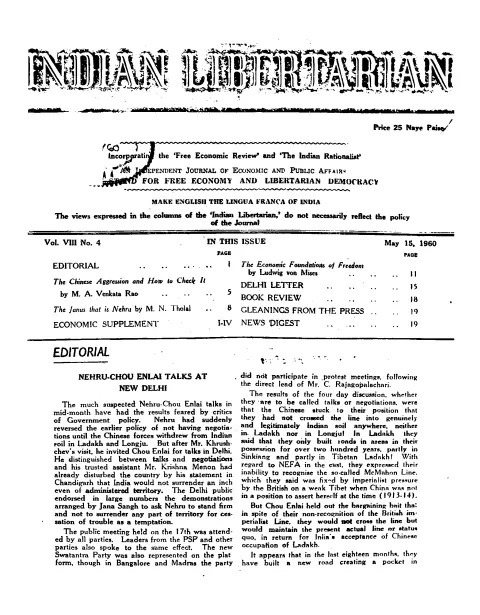
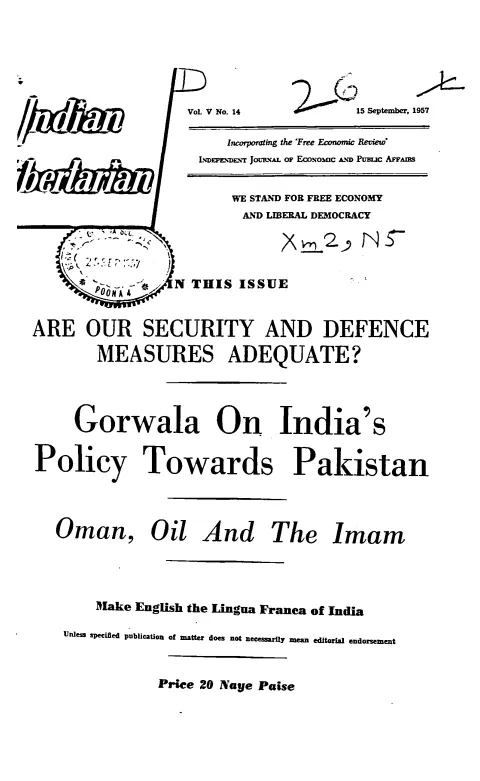
Ludwig von Mises
1881–1973
Also known as: Mises, Von Mises
How Ludwig von Mises is discussed in this archive
Authored 2 works in the archive.
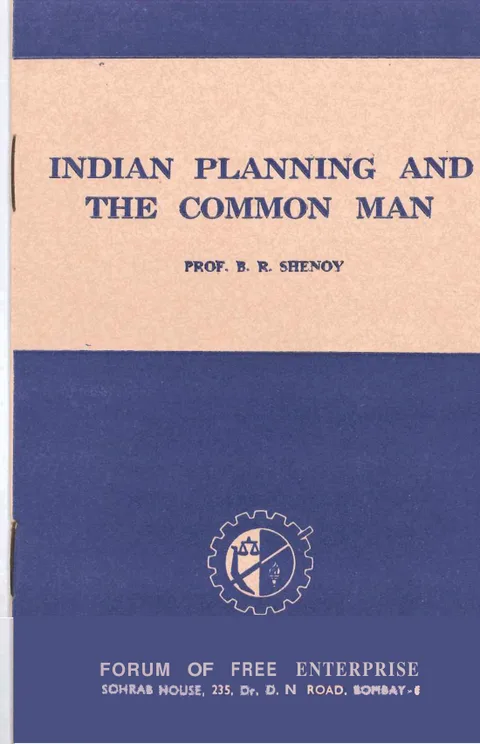
Referenced in 8 other works , including An Auxiliary for Historians: The Contribution of Older Austrians , The Case Against Neo-Protectionism , and Indian Planning and the Common Man .
In The Hayek-Keynes Debate, 1931-1971 | by Sudha R. Shenoy : Mises is named as the culmination of the Austrian tradition Hayek built upon, providing the intellectual lineage Shenoy traces.
In An Auxiliary for Historians: The Contribution of Older Austrians : Cited throughout as one of the three 'older Austrians' whose work on the division of labour and the market economy frames the lecture.
In The Case Against Neo-Protectionism : Shenoy invokes Mises by name as the modern expositor of the Ricardian principle of association, and references the Mises website as the original venue of Paul Craig Roberts' essays.
In Economic Growth with Social Justice : Shenoy cites Mises as authority for the foundational importance of private property in the means of production, using the Soviet collective-farm evidence to illustrate what Mises's insight implies in practice.
In Conditions for Economic Growth : Hutt cites Mises's concept of 'omnipotent government' to characterise the planning mentality that subordinates consumer sovereignty to state direction of the economy.
By Ludwig von Mises (2)
Nothing here matches. Clear the search or remove some filters.
Matches inside Ludwig von Mises's works and pages
Mentioned in (21)
Primary works (18)
- The Hayek-Keynes Debate, 1931-1971 | by Sudha R. Shenoy · 2009
- "Professor Hayek developed on foundations laid by the Austrians Menger, Wieser, and Böhm-Bawerk, culminating in the works of Mises." · Lineage of Austrian economic theory
- An Auxiliary for Historians: The Contribution of Older Austrians · 2003
- "That's why Mises said, of course, that the market economy's field is the world." · On production processes crossing political boundaries
- "the point about Mises here is that he analyzed the development of society." · Placing Mises in the lineage of social-formation theorists
- The Case Against Neo-Protectionism · 2003
- "reading stuff that Paul Craig Roberts wrote, which is posted up on the Mises website" · Establishing the venue of the debate she is responding to
- "the great Ricardian principle of association which, which Mises enunciated" · Defending the gains from trade against the 'sweatshop' objection
- Economic Growth with Social Justice · 1980
- "citing Ludwig von Mises and using the Soviet collective-farm experience as evidence that ownership matters" · Shenoy's theoretical grounding of private property as a precondition for consumer sovereignty

Show all 18
- Conditions for Economic Growth · 1964
- "Hutt cites Mises's 'omnipotent government' and Adam Smith's never-refuted critique of import-tariff protection" · Mises is invoked to frame central planning as the usurpation of the consumer's disciplining role
- Indian Planning and the Common Man · 1962
- "The pamphlet closes with an appendix listing twenty-one recommended works — Hayek, Mises, Robbins, Roepke, Erhard, Bauer, Hazlitt and others — that constitute Shenoy's classical-liberal canon." · Mises is named in Shenoy's recommended canon
- "The appendix's 21-item reading list — Hayek (multiple), Mises, Robbins, Roepke, Erhard, Colin Clark, P. T. Bauer, Henry Hazlitt — anchors the polemic in the Mont Pelerin/classical-liberal tradition." · key-points restatement: Mises in the classical-liberal lineage Shenoy adopts

Excerpts (2)
- Bureaucracy and the Liberal Administrator
- "As Ludwig von Mises put it: It is evident that youth is the first victim of the trend toward bureaucratisation. The young men are deprived of any opportunity to shape their own fate." · Mises's critique of bureaucratisation provides the theoretical grounding for the liberal administrator's anti-hierarchical ethos
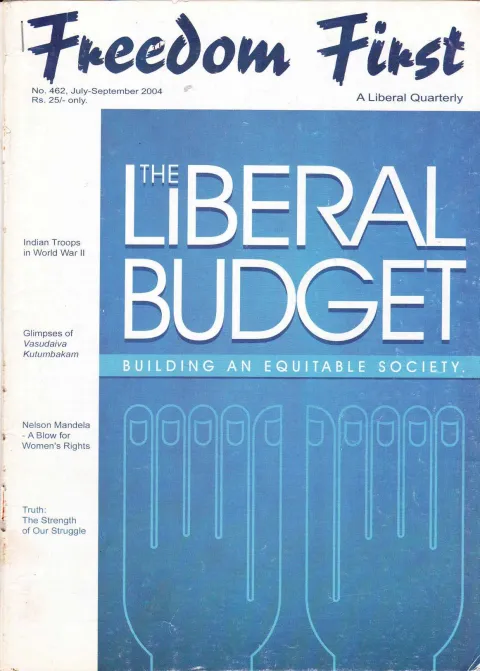
- The Liberal Budget: Building an Equitable Society
- "As Ludwig von Mises, the great Liberal philosopher, put it, where the two differ is "not be the goal at which it aims, but the means that it chooses to attain the goal."" · Mises quoted to articulate the core liberal-vs-socialist distinction underpinning the entire budget exercise