non liberal
Deng Xiaoping
1904–1997
How Deng Xiaoping is discussed in this archive
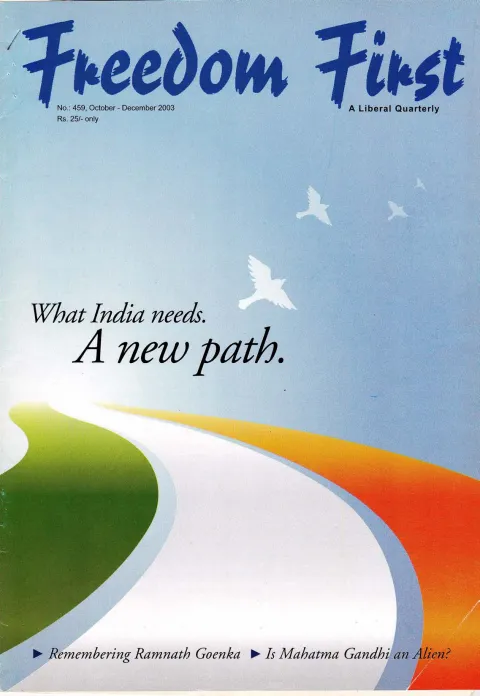
Referenced in 4 other works , including Liberal Times , Is Nationalisation of Industries in Public Interest? , and CHINESE COMPETITION .
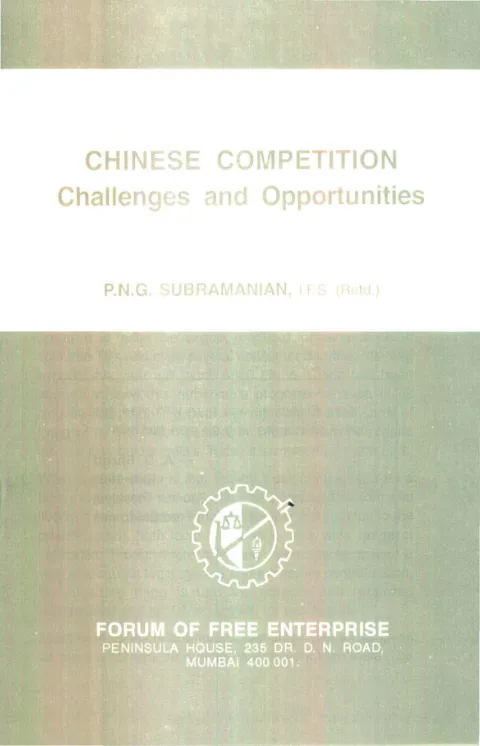
In CHINESE COMPETITION : Subramanian cites Deng Xiaoping's 1976 prioritisation of education as evidence of China's long-horizon human-capital strategy, held up as a discipline that India lacks.
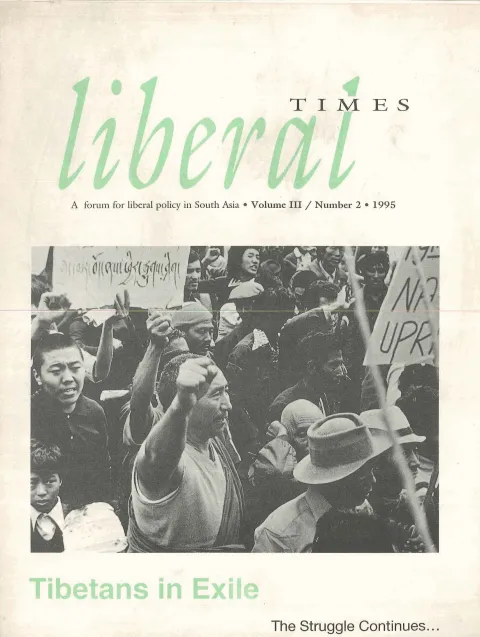
In Liberal Times : Deng appears twice in Samdhong Rinpoche's and Yangchen Dolkar's essays: as the Chinese counter-party in the 1979 Sino-Tibetan dialogue that the exile leadership ultimately judges insincere, and as the looming succession question whose resolution may open political space for Tibetan activism.
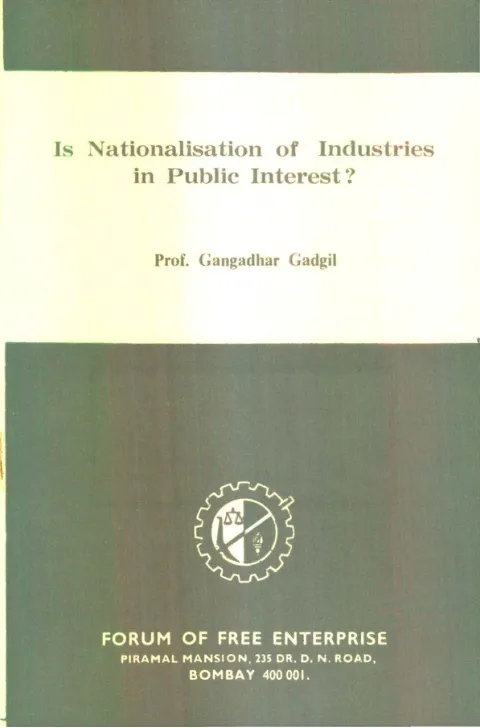
In Is Nationalisation of Industries in Public Interest? : The pamphlet invokes Deng twice — once to note that 'even the Chinese under Deng' have abandoned nationalisation, and again to invoke Deng's 'black cat / white cat' pragmatism as the wider liberal critique of dirigisme within which Gadgil's case sits.
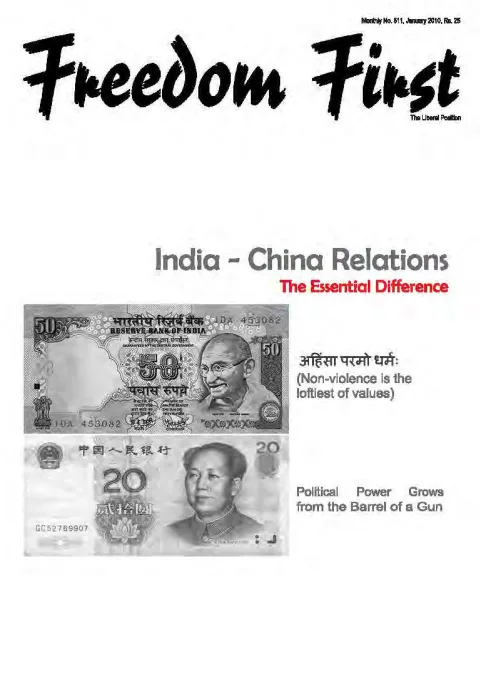
In China’s Tiananmen Massacre : Deng Xiaoping is discussed as the paradoxical figure who liberalised the Chinese economy while making clear that political liberty remained non-negotiable, illustrating the impossibility of separating economic and political freedom.
Mentioned in (21)
Primary works (20)
Show all 20
- CHINESE COMPETITION · 2002
- "citing Deng Xiaoping's 1976 prioritisation of education and Chinese ambitions to manufacture 'ten thousand Singapores'" · Deng is invoked as the architect of China's education-first growth strategy that India should emulate
- Liberal Times · 1995
- "failed negotiations with China (Deng Xiaoping's 1979 dialogue, the Five Point Peace Programme of 1987, the Strasbourg Proposal of 1988, and the 1991 offer to visit Tibet)" · Rinpoche's essay; Deng's 1979 dialogue is the first of four Chinese overtures Rinpoche reads as stalling tactics
- "China's internal instability — inflation, unemployment, weakening central control, the Deng Xiaoping succession — creates an opening for Tibetan activists to press their case." · key-point bullet from Dolkar's youth-strategy essay; treats Deng's mortality as a strategic window for the movement
- Is Nationalisation of Industries in Public Interest? · n.d.
- "fifty years of European experience (the British Labour Party, Fabians, even the Chinese under Deng) has discredited public ownership as a vehicle for either efficiency or social justice" · Pai's framing essay enlists Deng's China as the closing item in the global list of socialist retreats from public ownership
- "invoking Deng's "black cat / white cat" pragmatism, Gandhian trusteeship, and the comparative record of public-sector banks, LIC, Indian Airlines and the State Trading Corporation as monopolies that have failed consumers." · Deng's pragmatist slogan anchors the pamphlet's wider liberal critique of dirigisme
Excerpts (1)
- China’s Tiananmen Massacre
- "Raju and other liberals cheered Deng Xiaoping for introducing economic reforms which turned China capitalist in all but name, he also made it clear that political liberty and democracy were non-negotiable." · Deng is the pivot of the essay's argument: economic reform without political freedom is insufficient and ultimately self-undermining