non liberal
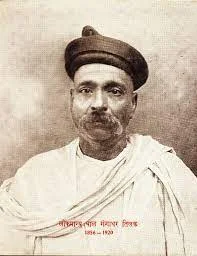
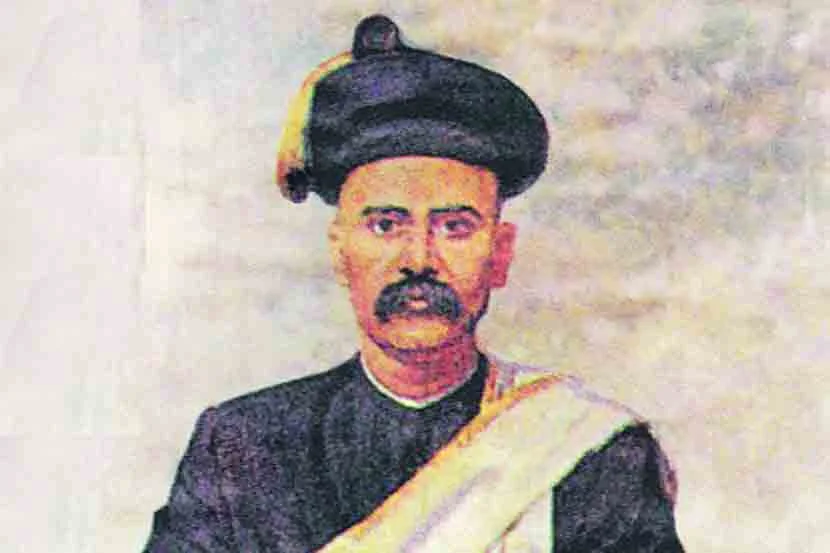
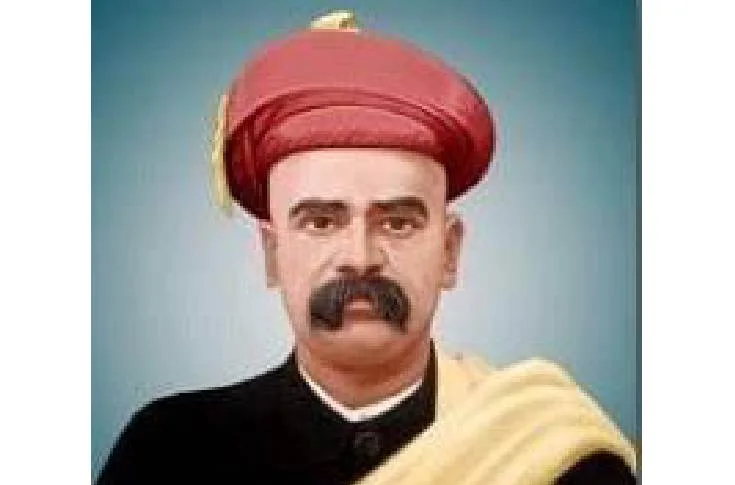
Bal Gangadhar Tilak
1856–1920
Also known as: Lokmanya Tilak, Tilak
How Bal Gangadhar Tilak is discussed in this archive
Referenced in 7 other works , including GG Agarkar : Modern Indian Liberal and Reformer , G.G. Agarkar : Revisiting a Misunderstood Legacy , and EDUCATION, LEADERSHIP AND VISION OF A FREE INDIA .
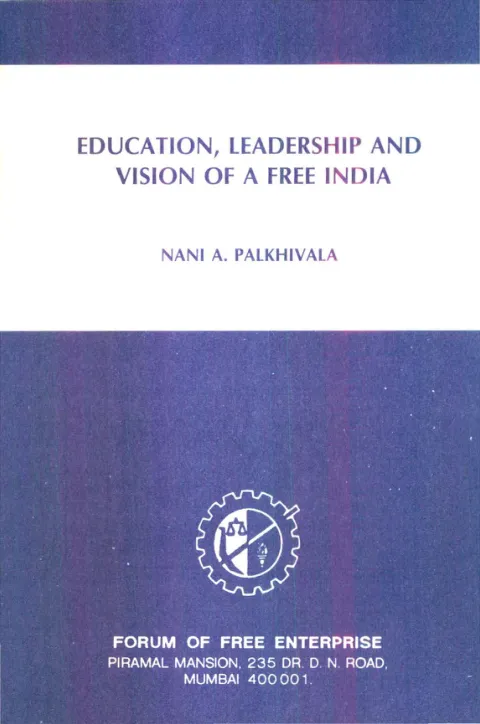
In EDUCATION, LEADERSHIP AND VISION OF A FREE INDIA : Tilak is listed among the Bombay University alumni in Palkhivala's salute to the university's tradition of educated, principled public service.
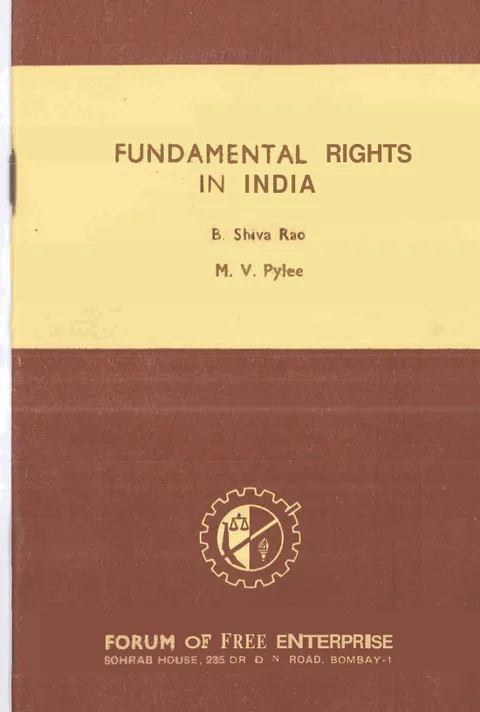
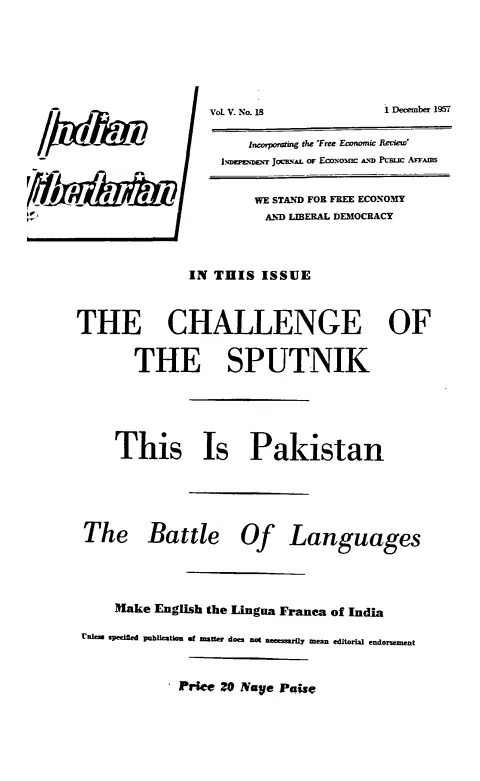
In Fundamental Rights in India : Tilak is credited as the inspiration behind the Swaraj Bill of 1895, the earliest Indian articulation of constitutionally guaranteed rights, anchoring the pamphlet's historical argument that the demand for fundamental rights predates Congress and the independence movement.
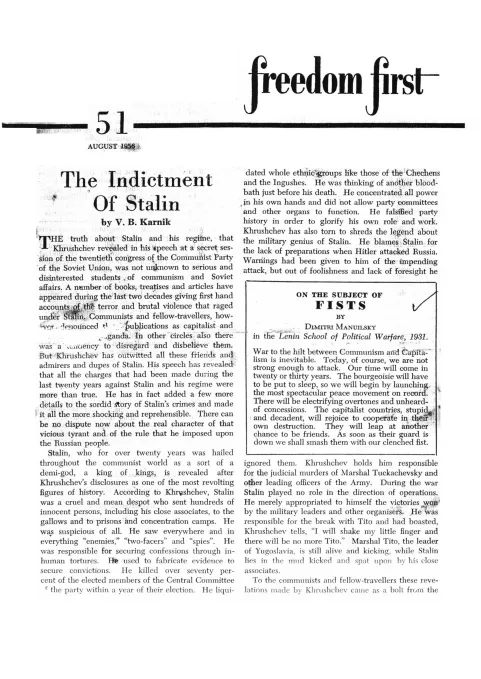
In B.R. Ambedkar on Justice Ranade, Social Reform and Failure of Indian Liberalism : Tilak is mentioned as a modernist politician who opposed social reforms by prioritising self-rule, representing the strand of conservative opposition that liberal reformers like Ranade faced in the western provinces.
In GG Agarkar : Modern Indian Liberal and Reformer : Bal Gangadhar Tilak is presented as Agarkar's classmate, collaborator, and eventual rival, with their divergence over the priority of political versus social reform defining Agarkar's legacy.
In G.G. Agarkar : Revisiting a Misunderstood Legacy : Tilak is the constant reference point against which Agarkar's identity is defined, with their prison-mate past and intellectual rivalry framing the essay's argument that Agarkar deserves independent recognition.
About Bal Gangadhar Tilak (1)
Profile pieces (1)
Mentioned in (74)
Primary works (69)




Show all 69
- EDUCATION, LEADERSHIP AND VISION OF A FREE INDIA · 1998
- "He calls for moral leadership in education, grounded in courage, intellectual integrity, and a sense of values, and salutes the Bombay University tradition of Naoroji, Mehta, Ranade, Tilak, and Gokhale." · Tilak cited as part of the distinguished Bombay liberal tradition
- Fundamental Rights in India · 1969
- "the Swaraj Bill of 1895 (inspired by Tilak)" · traces the genealogy of constitutionally guaranteed rights to Tilak's nationalist programme, establishing the depth of Indian liberal-constitutional tradition



Opinion pieces (4)
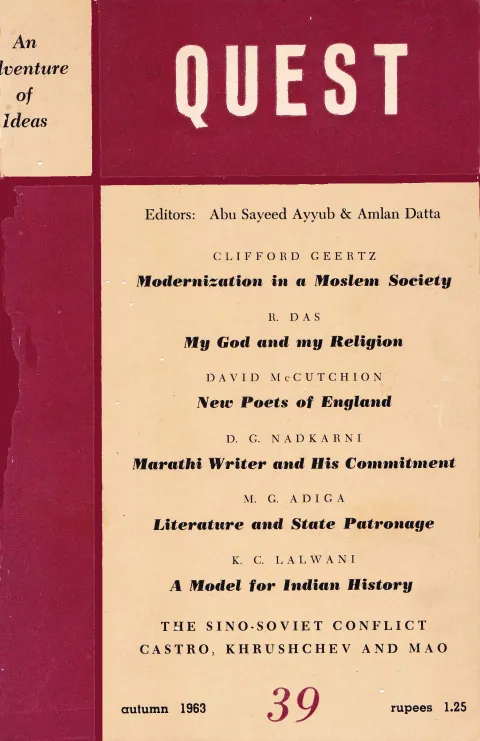
- B.R. Ambedkar on Justice Ranade, Social Reform and Failure of Indian Liberalism
- "opposition to social reforms came from modernist politicians like Tilak who prioritized self-rule and thus opposed any colonial state intervention in local customs" · Ambedkar's taxonomy of the two strands of conservative opposition to social reform
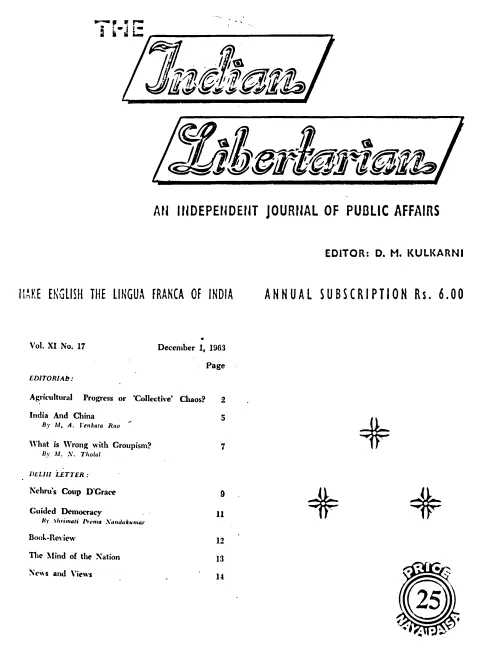
- GG Agarkar : Modern Indian Liberal and Reformer
- "Agarkar is remembered best for his rivalry with Bal Gangadhar Tilak" · the rivalry with Tilak as the defining biographical fact that shaped Agarkar's public identity
- "Tilak focused on the primacy of political freedom with a conservative approach towards social reform while for Agarkar, social reform came ahead of political freedom" · the ideological divergence that drove Agarkar to found his own journal Sudharak
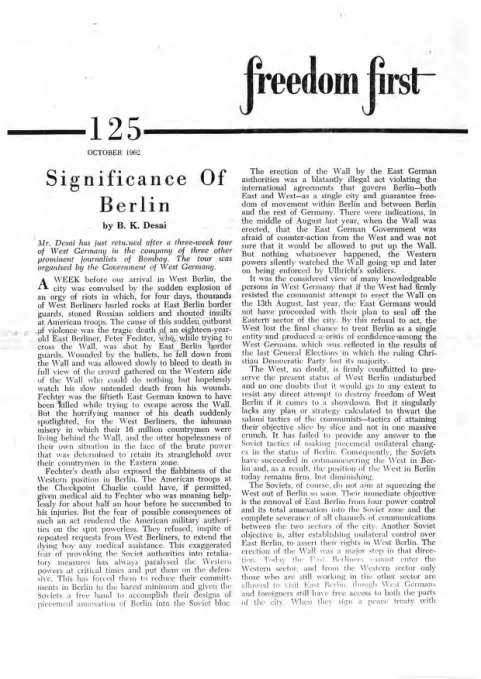
- G.G. Agarkar : Revisiting a Misunderstood Legacy
- "Agarkar is most frequently remembered as a 'friend-turned-opponent' of Tilak" · the reductive hyphenated identity the essay argues Agarkar should escape
- "Agarkar was an equal of Tilak in terms of his love for the land and intellectual prowess" · the essay's corrective claim that Agarkar's stature should not be measured only against Tilak
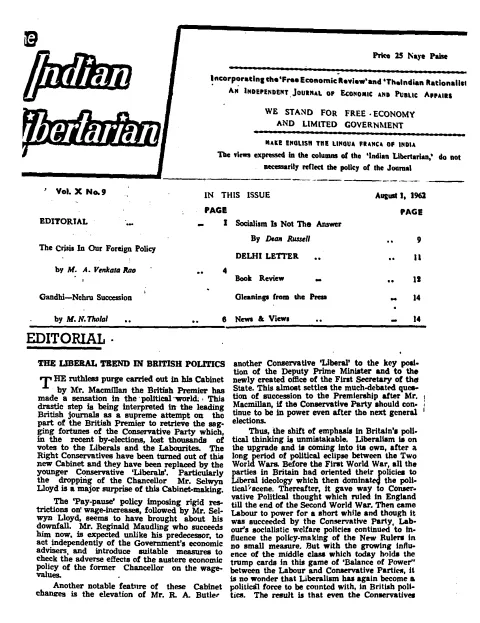
- Gopal Ganesh Agarkar and the Vindication of Women’s Education
- "his difficult association with Lokmanya Tilak. The mutual diatribes between the two obscure the clarity and conviction of his ideas." · Tilak's antagonism with Agarkar is the primary reason Agarkar's liberal thought has been obscured in historical memory
Excerpts (1)
- Sharad Joshi on Liberalism in India
- "There were others like Tilak who used public worship of God Ganesha for political mobilization." · Joshi contrasts the religiously-inflected nationalist stream with the liberal reformist one